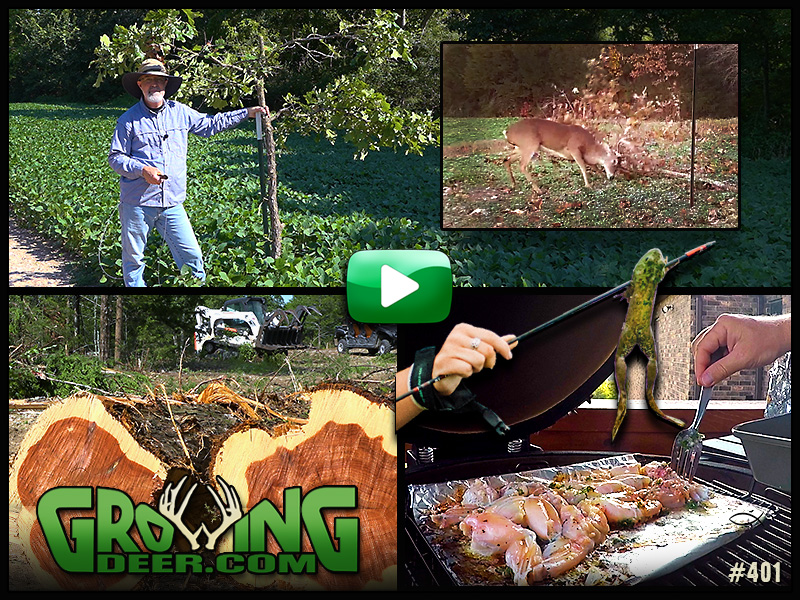
Cooking Frog Legs | Converting Pasture | Creating Mock Scrapes – Episode #401

By GrowingDeer,

Learn how to convert pasture and create mock scrapes in GrowingDeer episode 401.

New Video

The GrowingDeer Team fixes a mess of frog legs! After a great meal, Grant heads to the field with the interns and begins converting an old pasture overgrown by cedars into a quality wildlife food source. Plus, we share how to make and use mock scrapes during the late summer!

Click Here To Watch Now

Three great looking bucks with velvet antlersShort Clip:

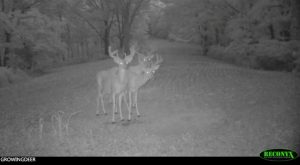
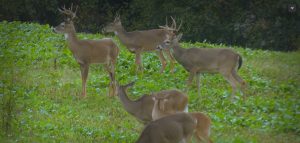
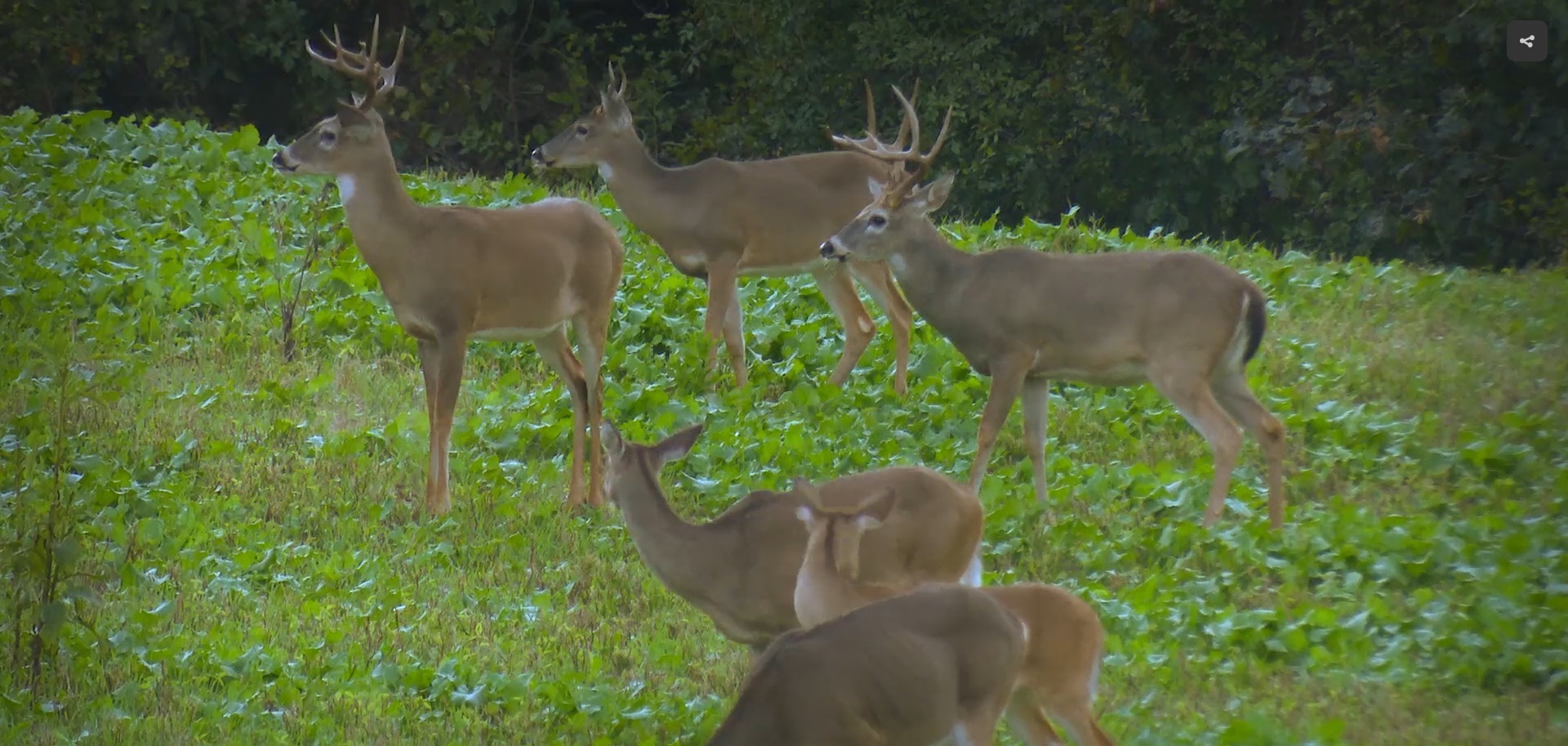
Three great looking velvet bucks can’t help but show off their stuff! Watch “The Three Amigos” pose for a great video!


Watch Now


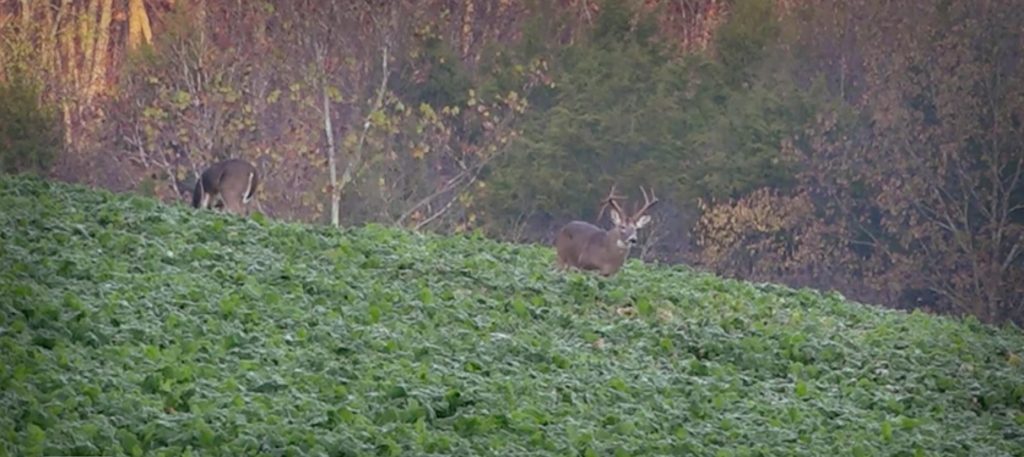
A mature buck

New Weekly Blog:

Find out how deer use thermals or air movement based on slope and temperature to alert them of predators (two and four legged). Knowing how deer use thermals will help you know where, when and how to hunt this fall!

Click Here

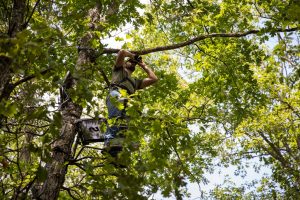
A hunter checks the acorn crop when hanging a Summit Stand

Tip of the Week:

Acorn crops can differ year to year. While trimming or hanging stands, check for this year’s acorn crop and hunt accordingly.

  Category: Deer Management, Eblast Archives
  Comments: Comments Off on Cooking Frog Legs | Converting Pasture | Creating Mock Scrapes – Episode #401

Strategies For Hunting The Wind – Part 1

By GrowingDeer,

Two weeks ago I shared the advantages of flat ground to produce mature bucks. That discussion was more about the ability to produce quality forage and therefore quality bucks (if they are allowed to mature). There is another substantial advantage to flat ground. It may be the best reason to seek a hunting property that is flat versus steep.

The huge advantage of hunting flat ground is that the wind seldom swirls where the topography is flat. The wind does change directions as fronts pass, etc., but it rarely swirls and certainly doesn’t swirl on a constant basis. Swirling winds are often caused by changes in topography. Changes in topography create eddies where the wind sinks and rises. Rapid changes of topography also create temperature gradients (warm air rises and cool air sinks). These temperature gradients cause thermals or air moving based on slope and temperature.

A mature buck

Mature bucks use both the terrain and how air moves across the terrain to help them avoid predators.

Deer move the most during dawn and dusk. There is more air movement due to thermals during these time periods because this is when the temperature is changing the most. It may well be that in areas with steep topography, deer are the most active during dawn and dusk to take advantage of swirling winds to aid avoiding predators (two and four legged). Swirling winds and thermals allow deer to detect predators from multiple directions not just one (like what would occur in areas where the wind is typically out of one direction). There can be some thermal action in flat country. However, the direction and duration of the thermals seem to be much more predictable compared to areas with steep topography.

Most hunters throughout the whitetails’ range have access to hunt flat ground. My property is the opposite of flat. In fact, it changes elevation 350+ feet several times due to ridges and creeks. To reduce the chance of being detected by a buck’s nose I use a complete system of cleaning my gear and good personal hygiene, including doing laundry for better deer hunting.

I have and still do spend hours pondering how deer use the wind! I make no claims that I’ve figured that out yet. In general, deer like to move with the wind in their advantage. However, what is “in their advantage?” Is it in front of them so they can detect threats before they approach an area or is it when the wind is behind them and they can detect threats that might approach from the rear?

Deer obviously move in all directions in relation to the wind. If the wind remains out of the north for a week, they don’t end up traveling miles and miles north simply because they wanted to keep the wind in their face. I think deer are much more sensitive to thermals and minor wind currents than most hunters realize. Hunters, myself included, seem to get hung up on the general wind direction. I believe deer avoid two and four legged predators by paying attention to thermals (air moving up or down in elevation because of temperature gradients). These thermals can occur due to slope, shade/sunlight patterns, etc.

There are several advantages to hunting flat ground. These advantages include producing better quality forage so bucks can express more of their potential and being able to predict the prevailing wind direction while having fewer thermals. These are two huge advantages to any deer hunter. Next week: specific strategies for hunting and using wind to your advantage.

Growing Deer together,

Grant

Going Native! – Episode #400

By GrowingDeer,

Watch our habitat management tips is GrowingDeer episode 400.

New Video

Improving the odds for nutritious, native vegetation can pay big benefits for the overall health and antler size for the deer herd on your property. Watch as Grant shares the results of a recent timber stand improvement test and how his findings are helping him encourage native grasses and forbs. Plus, see how we are perfecting our shooting form for opening day!

Click Here To Watch Now

Heath looks at a Bloodsport arrowShort Clip:

Watch this recap of when Pro Staffer Heath Martin punched a 2016 tag in Kansas!


Watch Now

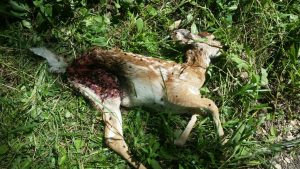
Dead fawn

New Weekly Blog:

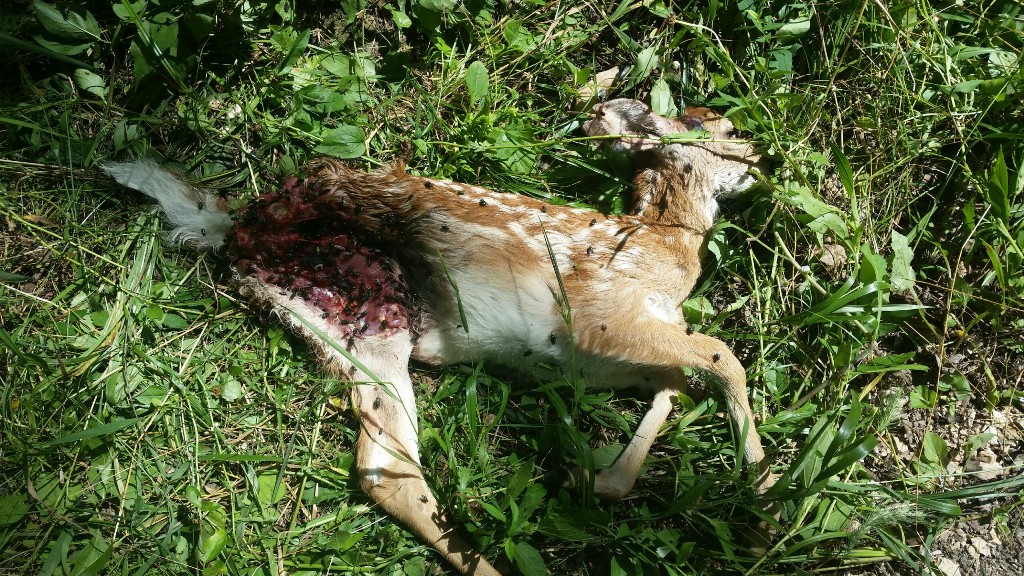
Predators can have a huge impact on deer numbers! Find out why wildlife managers need to help balance predators and remove them when given the chance!


Click Here


A hunter setting up a tree stand.

Tip of the Week:

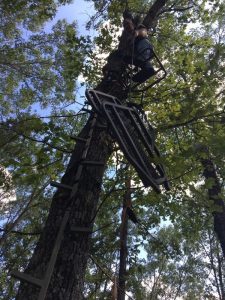
While hanging stands, always wear a safety harness and be tied to the tree before leaving the ground.

Deer Hunting And Management: The Effect Of The Changing Predator Base

By GrowingDeer,

Successful deer management to grow and hunt bucks in a free-range environment has taken a new twist over the last 10 years. Just following the play book for passing bucks and providing quality food, cover, and water may not yield the results you desire. Something has changed throughout much of the range of the white-tailed deer.

It’s the number of predators. When I was a boy during the 1960s and 70s, coyotes were shot on sight by farmers (almost every farmer I knew always had a rifle in his truck). Raccoon pelts were bringing $50 and anyone I knew that was any kind of hunter or outdoorsmen trapped and/or hunted raccoons as a source of additional income. Chicken hawks (any large hawk was called a chicken hawk) were also shot on sight. These actions didn’t cause any of these predators to go extinct.

In college I was taught to feel sorry for predators. My “book learning” taught the theory that predators were almost never an issue with game species. That might have been true then (although I had a hard time buying into the theory). I was also taught in college that all natural systems are very dynamic – always changing (I certainly have experienced and agree with that!).

Whatever the theories and realities were, the current impact of predators on deer, turkey, quail and other game species are real and measurable! I had a graduate student ten years ago study the impacts of coyote and bobcats on fawn recruitment (fawns surviving until hunting season) on a private property in northern Alabama. Briefly summarized, the results were stunning! He monitored fawn recruitment during year one, then had a trapper remove many coyotes and bobcats from the 2,000 acre property during the following fawning season. During the second fawning season there was a 150+% increase in fawns at the same property as a result of removing 20+ coyotes and 10 bobcats! It appeared the turkey and rabbit population also exploded!

Since that time, much more research has been conducted that supports predators are changing the dynamics of managing deer. Several of the researchers reported results of fawn mortality documented by the use of vaginal transmitters (VITS). This technology allowed researchers to capture does and insert a transmitter in their vagina. The VIT is pushed out of the birth canal when the fawn is born and alerts the researchers by changing the frequency/tone of signal. Researchers can often find the birth site and/or fawn within four hours or less after birth.

Dr. John Kilgo, a talented researcher for the Forest Service, has years of such data. He and his staff have documented that in recent years, 70% of the fawns were killed by predators at their research site (a 300 square mile area in South Carolina) during the first few months after birth! 62% of the total mortality was due to coyotes!! This is not a guess or a theory. At this level of predation, even without any hunting mortality, deer populations will decrease in number and quality (more on the stress of predation next week).

John and his staff swabed the kill site and used advanced techniques with genetic testing to confirm if the killer was a coyote, bobcat, domestic dog, etc. Using this technology, they can tell if it was a male or female predator and if it was the same predator that killed a fawn ¼ mile or 10 miles way. John’s research is fascinating!

He ended his abstract by stating “I predict that this pressure (coyotes) will require significant changes in how deer populations are managed in the Southeast in the future, because coyotes are here to stay.”

I agree with John, but know from my student’s work and my experience, that coyotes can be trapped and their impact on deer populations reduced. Trapping and calling coyotes are fun activities (GDTV 119). However, it requires time and effort. There is no easy method to significantly reduce coyote populations. Some managers will simply let their deer herds be significantly reduced by coyotes. I, and hopefully many others, will not sit by and watch deer populations be reduced significantly by predators. I will actively call and trap coyotes to keep their population in check so deer, turkey, and other game species can maintain a healthy population.

I enjoy hearing a coyote howl. However, I enjoy seeing and interacting with deer and turkeys more. When push comes to shove, I’ll be the deer’s best friend and the coyote’s worst enemy. How about you? Will you sit by and watch America’s favorite game species be reduced to the occasional rare sighting? Or will you join me in protecting the future of hunting?

The damage by coyotes and other predators to deer and other game species is not just direct mortality. Predators also can cause much stress to game species! Next week I’ll share strategies deer hunters/managers can use to fight this change and improve the odds of growing mature bucks on their hunting grounds. While you’re waiting on that blog to come out, watch some of the coyote action caught on video by our Reconyx trail cameras here.

Growing (and protecting) Deer together,

Grant

Food Plots vs. Deer, Plus Frog Hunting – Episode #399

By GrowingDeer,

Food plot decisions and frog hunting in GrowingDeer episode #399.

New Video

See how Grant has and is still learning to use his food plot observations to make future management decisions. Managing both food and deer numbers is key! See effective tips on how to trap those pesky groundhogs. Plus, Grant shares how frog hunting is great practice for the upcoming deer season!

Click Here To Watch Now

Two young bucks scufflingShort Clip:

We can’t wait to see hard antlers this deer season! Here’s a tangled up mess of antlers to enjoy!


Watch Now

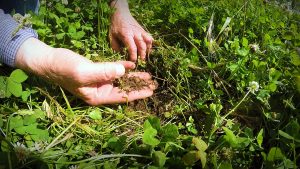
Grant inspects the soil in a food plot

New Weekly Blog:

Everyone wants to hunt flat, row crop states like Kansas or Iowa. However, even if you have steep terrain in non row crop areas you can utilize these techniques to help produce quality whitetails!


Click Here

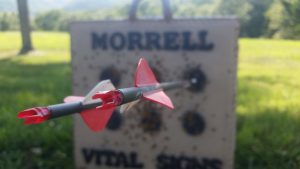
An arrow sticking out of a Morrell Target

Tip of the Week:

Shooting dots is a great way to get your bow dialed in before shooting at an outline or 3D target of a deer!

  Category: Eblast Archives, Food Plots
  Comments: Comments Off on Food Plots vs. Deer, Plus Frog Hunting – Episode #399

Why The Best Deer Hunting Is On Flat Ground

By GrowingDeer,

I’ve been discussing how to manage land to produce mature and huntable bucks. It’s relatively easy to produce mature bucks. Simply don’t harvest them until they are 4+ years of age. I define mature for whitetail bucks as being four years old or older because by that age most bucks have expressed 90+ percent of their antler growth potential.

In previous blogs, I’ve also discussed management strategies which allow bucks to express their antler growth potential. Just because a buck is allowed to live until he is 4+ years of age doesn’t mean he will produce antlers to his full genetic potential. If he hasn’t had access to a quality diet and experienced minimal stress, he will not produce antlers to his full genetic potential.

After discussing several aspects of managing deer so they can express their full genetic potential, I’d like to discuss how to harvest mature bucks.
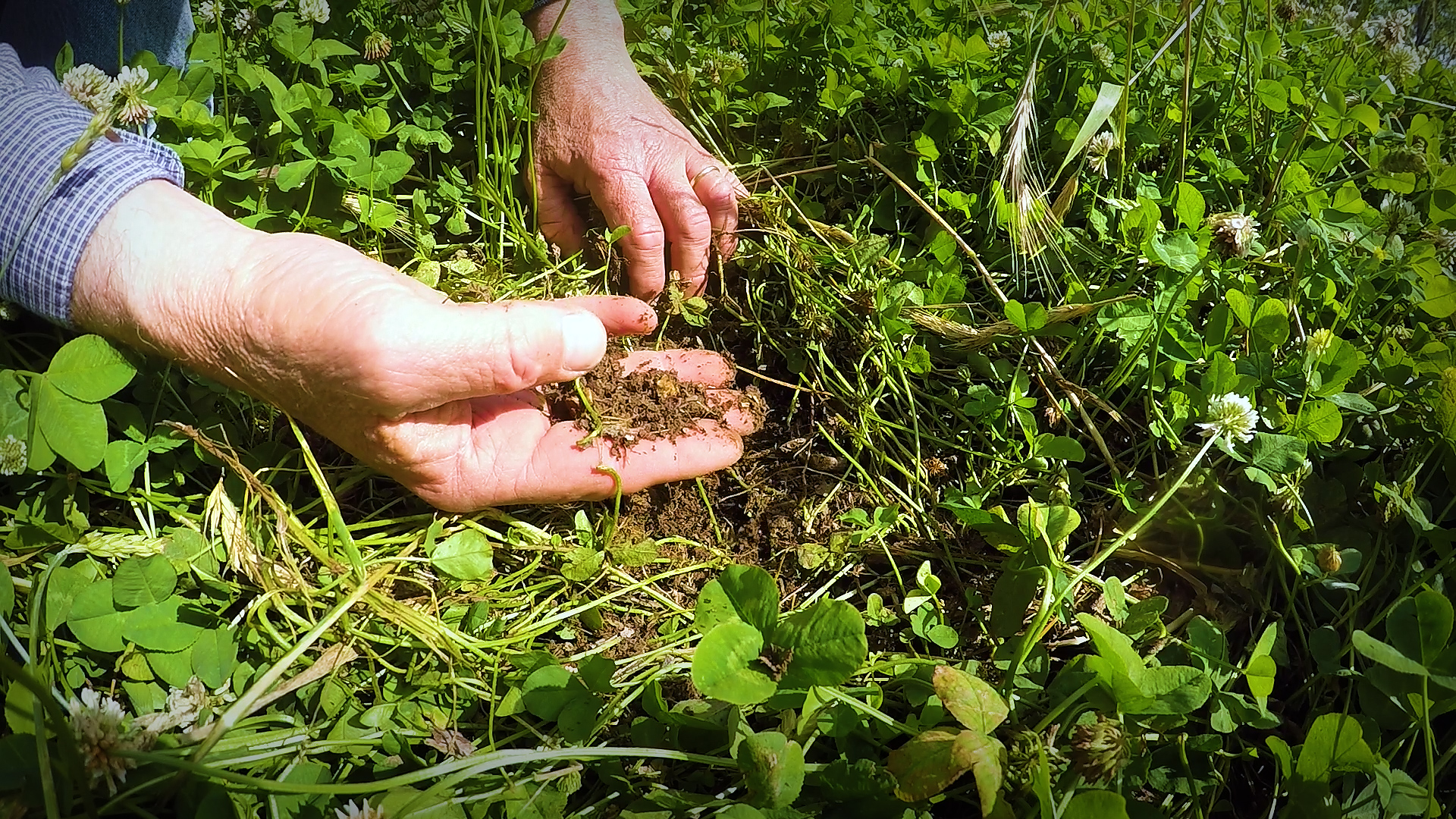
I really enjoy finding sheds. Those shed antlers are specific proof that a buck was using that area. However, finding where a mature buck has been is not the same as being where a mature buck is – within shooting range! Predicting where a mature buck will be during daylight hours and being there at the same time – especially year after year – requires a lot of skill and preparation.

Wonder why so many whitetail hunters go to areas that produce commercial row crops year after year? If you look at a map of the whitetails’ range, the portion of the area that produces commercial row crops is relatively small. Yet, the majority of Boone and Crocket and Pope and Young entries come from areas where commercial crops are produced.

There are two simple reasons and they both relate to flat ground. Flat ground, especially in the Midwest, is almost always better quality soil compared to where the topography is steep and the topsoil has been eroded. However, years and years of producing and harvesting commercial crops have significantly reduced the amount of nutrients and beneficial bacteria in the soil. Without adding fertilizer and beneficial microbes back to the soil, it would not be nearly as productive. These elements are rarely added back to the soil unless it is commercially farmed. Hence they are rarely applied to areas with steep topography.

The Proving Grounds is a perfect example. It has very steep terrain and was extremely eroded from exceedingly poor timber harvest and agricultural practices decades ago. There literally was no topsoil – only rock. I never disc a plot at my place because it would only shuffle rocks around and cause erosion of the limited amount of organic matter that is present.

However, by adding poultry litter that has been composted with beneficial, soil building bacteria added I’ve significantly improved the quality of crops produced in my food plots. I can now grow quality crops, even on the rocky soil where I never disc! Quality forage and grain crops are only nutrient transfer agents. They serve to transfer nutrients from the soil and air (air is roughly 78% nitrogen – capture that and never pay for nitrogen again!) to deer and other plant consumers.

Over the past few years we have been testing different cover crop varieties and planting methods here at The Proving Grounds. We do this to continue learning how we can improve the soil. Food plots are fun to hunt over, but food plots are tools. These tools work to transfer nutrients from the soil to wildlife. Plants take nutrients from the soil and air then produce vegetation that is consumed by wildlife.

Some excellent research (watch episode #296 here) has been published confirming that better soil and nutrition means bigger and healthier deer. So, as you may have guessed by now, cover crops are used to improve your soil! There are many ways that cover crops or, in our plots, Eagle Seed Broadside, improve the soil’s health. Some of the benefits are immediate while others occur over time. Nevertheless, these improvements help to increase the quantity and quality of the nutrients that are available to the plants (watch episode #288 here).

Some plants are better at capturing nutrients and transferring to consumers (deer, cattle, humans) than others. Those plants typically are the crops grown in commercial ag – to feed humans (and deer). Oak trees transfer nutrients – but the vast majority of the nutrients they transfer are tied up in the wood or the structure of the tree.

Soybeans also transfer nutrients but a much higher percentage of the nutrients they transfer from the soil and air are deposited in the soybean leaves and eventually the soybean pods. Deer readily consume soybean leaves and pods. Deer rarely consume the trunks of oak trees – and never express their full antler growth potential when oak leaves and acorns are most of their diet. This is a primary reason bucks of the same age class living where soybeans are commonly grown will have larger antlers compared to bucks living in areas that are primarily forested.

Healthy soil contains essential nutrients and minerals. These elements are taken up by plants through their root systems. Plants transfer those nutrients and minerals to deer that consume them. Our Eagle Seed soybeans are transfer agents for those elements contained in the soil. Poor soil will limit the amount of genetic potential a deer can express. This is why we take soil samples each season to continue improving our soil, ultimately growing larger antlers and healthier deer

Some of you are already yelling “acorns.” Acorns are much lower in nutrient content than soybean leaves or pods – there is no comparison between the nutritional quality of acorns and soybeans – or the antlers produced by bucks that primarily consume either crop.

So, if you want to hunt mature deer that have expressed most of their antler growth potential, you need to hunt where the soil has plenty of nutrients and plants that efficiently transfer those nutrients from the soil and air to deer. This can be in regions were commercial crops are grown (flat land) or where quality food plots are maintained.

For example, there isn’t a commercial soybean or corn field for many miles from my property. However, over the years, I’ve converted the few flat spots among the hills where I live to productive, nutrient-rich food plots. The results have been more than pleasing! My family and I have been blessed to produce and harvest several large, mature bucks.

If your objective is to harvest mature bucks with large antlers, you can go to flat, crop producing ground or grow the same crops where you hunt. Big antlers start in the dirt – and it usually requires well fertilized flat dirt to grow good nutrient transfer agents (crops like soybeans) to allow bucks to produce their best antlers!

Growing Deer together,

Grant
Tips For Making Poor Timber into Quality Habitat – Episode #398

By GrowingDeer,

A dead doe that was eaten by predators

New Video

Watch as the GrowingDeer Team works to convert poor timber into quality habitat! Learn tips to help select and remove trees for improving your timber! Plus, see our latest strategy for hunting a hit list buck this fall!

Click Here To Watch Now

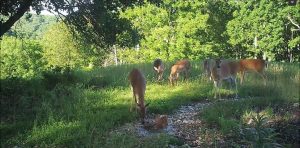
Several deer at a Trophy Rock station during daylight.Short Clip:

High quality food sources like food plots can bring the deer in! Sit back and enjoy watching all these deer!


Watch Now

A buck uses an area that was protected by a fence

New Weekly Blog:

It’s often easier to grow mature bucks than it is to harvest mature bucks. Find out how to create and use bottlenecks to pattern and hunt mature bucks!


Click Here

An Ozone Go plugged into the work truck.

Tip of the Week:

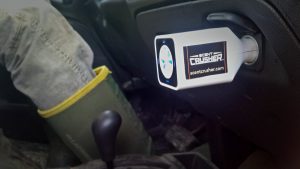
Don’t let smelly scent build up in your truck this summer! Running an Ozone Go in the truck after working in the field is a great start to fall scent control!

How Bottlenecks Help Deer Hunters Be More Successful

By GrowingDeer,

What are bottlenecks? They are physical barriers that limit deer movement to a relatively small area. You might call these features pinch points, funnels, etc. Typically, the longer the barrier the more utilized the bottleneck.

Cropland in the Midwest is full of bottlenecks. Wide open crop fields, especially after the crops have been harvested, tend to funnel buck movement into narrow wood lots or CRP fields. Where the whitetails move is much more predictable in those areas compared to land that is basically one habitat type (e.g. all woods). To put the odds in your favor, scout and hunt those bottlenecks. Now you are in the best location to observe the increase in deer activity.

My property is large patches of hardwoods with a few food plots mixed in. It is very tough to pattern where bucks will travel on my property with any certainty. This is called homogenous habitat. My property is also mountainous habitat. Hunting areas like these require hunters spend the bulk of their time scouting – looking for fresh sign and general travel routes. Within these travel routes concentrate on bottlenecks such as steep saddles in the mountains or bluffs that force deer to travel within a specific area. These areas will provide quality hunting unless the deer sense danger and change their patterns.

If your hunting grounds have few bottlenecks (or pinch points) don’t worry! Bottlenecks can be created! I’ve used discarded round bales of hay, snow fence, etc. Sometimes low value trees can be felled to make bottlenecks. I don’t like this approach as well as others because trees tend to decay rapidly and it’s tough to fell trees in a line with no gaps.

If you are like me and primarily hunt areas where there are very few natural bottlenecks, consider using a readily available resource and creating some. Consider how to approach the stand, wind direction, etc.

Bucks are not very predictable during the rut. I suggest hunters study an image of the property and look for bottlenecks if they can’t get boots on the ground without disturbing the deer or if they are hunting public land. I like stands by ponds as they act as a barrier and create a bottleneck. Deer will swim ponds, but don’t want to unless forced. Look for the largest pond on the property. See if there’s sign and a potential stand/blind location where the wind will carry your scent across the pond. Additionally, hunting a bottleneck such as a downed fence or saddle between doe bedding areas is a great stand location during the rut as bucks troll between those areas searching for hot does.

It can be very difficult or impossible to pattern a buck in areas where there are acorns almost everywhere. If there are no obvious bottlenecks I hunt the most sign that can be approached without alerting deer.

It’s often easier to grow mature bucks than it is to harvest mature bucks. Creating a bottleneck is an outstanding tool to reap the benefits of your deer management efforts.

Growing (and tagging) Deer together,

Grant

Just for Whitetails: Save Those Food Plots! – Episode #397

By GrowingDeer,

Protecting food plots for deer in GrowingDeer episode 397.

New Video

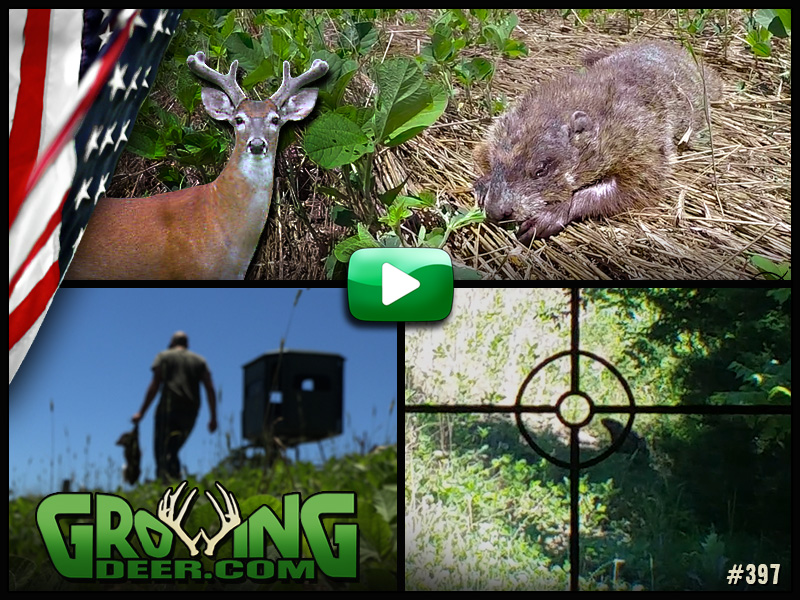
We’re hunting! A notorious soybean predator is causing crop damage to a food plot. It’s a great challenge in more ways than one! Plus, see how the Hot Zone fence is keeping deer out of our precious crop and saving those soybeans for a late season hunt.

Click Here To Watch Now

A gobbler strutting in JuneShort Clip:

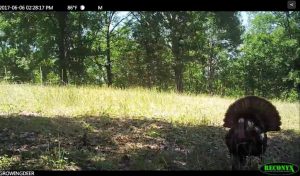
Spring flooding at The Proving Grounds most likely wiped out many turkey nests. As a result, we are seeing an extended breeding season. Check out these June struts and gobbles!


Watch Now

Bucks and does

New Weekly Blog:

Do you know your deer herd’s adult sex ratio? Knowing how many bucks there are for every doe can be an important management tool. Find out how deer sex ratios affect the rut, herd health and hunting!

Click Here

Summit Treestands safety harness

Tip of the Week:

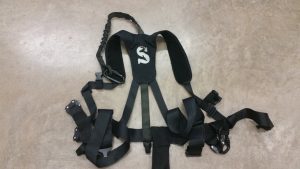
Many hunters will be hanging stands and trimming lanes soon. Before you head into the woods, make sure all the buckles work and the straps are in good condition. And never leave the ground without your safety harness on and attached to the tree.

A Big Question For Deer Hunters: How Many Bucks?

By GrowingDeer,

The answer to this question has implications for deer hunters that they may or may not want to hear. Why? Because after a lengthy, scientific answer (see below) the bottom line is that to know how many bucks to harvest, hunters will need to spend more time in the woods hunting. Why? You can only know the answer to this question through repeated observations and analysis. Ultimately it may also mean more time in the stand using the best tool that deer hunters have at their disposal: the trigger finger. If you aren’t seeing mature bucks it is time to implement trigger finger deer management.

Deer hunters that want to have the best hunting possible on their hunting ground need to know that reducing stress on the local deer herd is one of the most important factors for better deer hunting and mature, huntable bucks. An equally important herd characteristic that should be managed is the adult sex ratio. The adult sex ratio is calculated very easily: it’s the number of bucks to does that are at least 1.5 years old. For example, if a herd has five bucks and ten does that were 1.5 years old or older, that herd’s adult sex ratio would be 1:2. I consider a buck to doe ratio of 1:1 to be the best for challenging, rewarding hunts. This is a “balanced” ratio for whitetails.

The balanced adult sex ratio has benefits throughout the life of a whitetail. Bucks will often attempt to tend a doe before she is receptive and remain near her for 24-48 hours. While he is tending that doe, other does may also be receptive. In fact, if the herd’s adult sex ratio is skewed heavily toward does, some does may cycle through their receptive period without being bred.

Those does that were not bred during the first cycle become receptive again about a month later. This means she will produce fawns a month later (or more if she cycles multiple times). Fawns that are born later will likely struggle as the conditions for fawning are probably not as favorable: as the summer progresses forage quality tends to decrease, insect loads become higher, the temperatures become higher, etc. Restated, the conditions for prospering as a fawn tend to decline as the summer progresses.

It is more difficult for deer to express their full potential at maturity if they didn’t have all the required resources as a fawn. In addition to providing good quality forage (nutrition) and cover, it is just as important to ensure the adult sex ratio is balanced so the majority of fawns will be born during the optimal time for growth and reduced stress.

The adult sex ratio impacts the herd’s health and huntability, especially for mature bucks. It is very stressful for mature bucks to participate in the rut. It is well documented that captive bucks in relatively small enclosures (less than five acres) with access to all the supplemental feeds they can consume often lose +/- 30% of their body weight during the rut. Given this, imagine the cost of participating in the rut for free-ranging wild bucks. These bucks must search for quality food, be constantly alert for two and four legged predators, and face all the daily challenges that captive deer avoid. In addition to the challenges of surviving, if a buck is part of herd where he is one of the “few” bucks around to breed the available does he will have to work that much harder and longer to breed the does when they are receptive. When the adult sex ratio strongly favors does, the duration (days, weeks or even months) that a buck will seek, chase, and tend does is greatly extended simply because some does will not be bred during their first receptive cycle.

That breeding stress is not limited to mature bucks. Yearling bucks that are not fully mature will seek, chase, and tend receptive does when mature bucks are occupied with other receptive does. The energy that these yearling bucks used for chasing does would be used for developing antlers and body weights. These young bucks would be dissuaded from breeding by the presence of mature bucks (and their pheromones). Immature bucks need a huge amount of resources simply to maintain skeletal and body growth. The resources expended by participating in the rut may well limit the resources available for skeletal and body growth.

The does are also affected by an unbalanced sex ratio. It takes resources for does to cycle through their receptive period multiple times and then nurture a fawn or fawns past the prime fawn rearing season.

Bucks, does, and fawns simply do best when they are born and rut during a natural timeframe and cycle. The best tool to ensure your herd is breeding and fawning at the optimal times is to manage the herd for a balanced adult sex ratio and ensure the population doesn’t exceed the habitat’s ability to supply quality forage.

In addition to a healthier herd, another huge benefit to managing for a balanced adult sex ratio is that that competition for breeding will likely be more intense. Bucks may be more active. Most likely hunting strategies such as calling, rattling, using decoys, etc. may be more effective than in herds where there is not as much competition during the rut.

A great tool to manage your land to yield mature, huntable bucks is to establish and maintain a herd with a balanced adult sex ratio. Trigger finger deer management is essential to balance the ratio. Does will most likely need to be harvested. Hunters seeking to balance the adult sex ratio on their hunting grounds will have a longer, more challenging hunting season. It also means more free range meat for the freezer or meat to share with friends and family!

Growing Deer together,

Grant