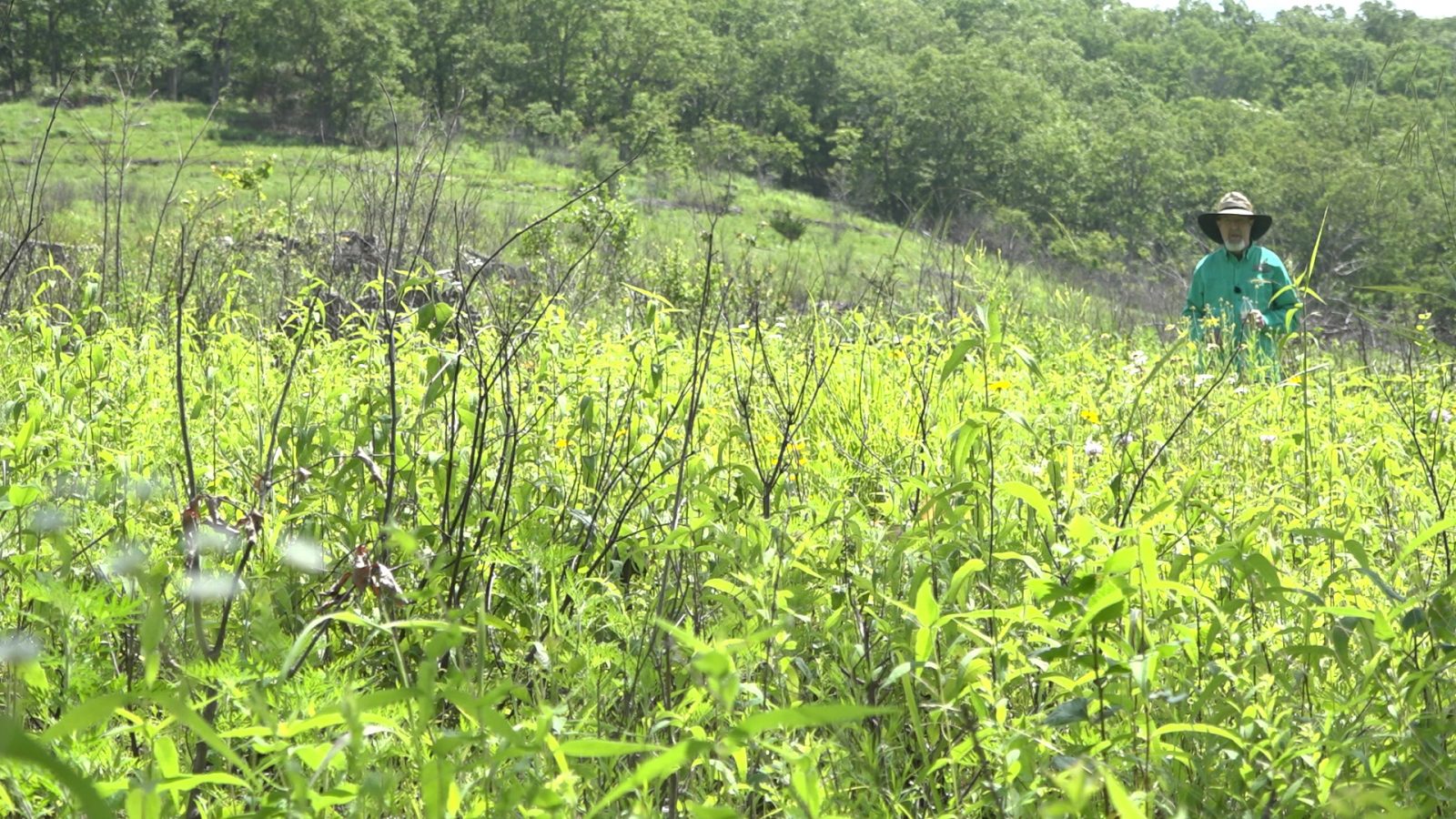
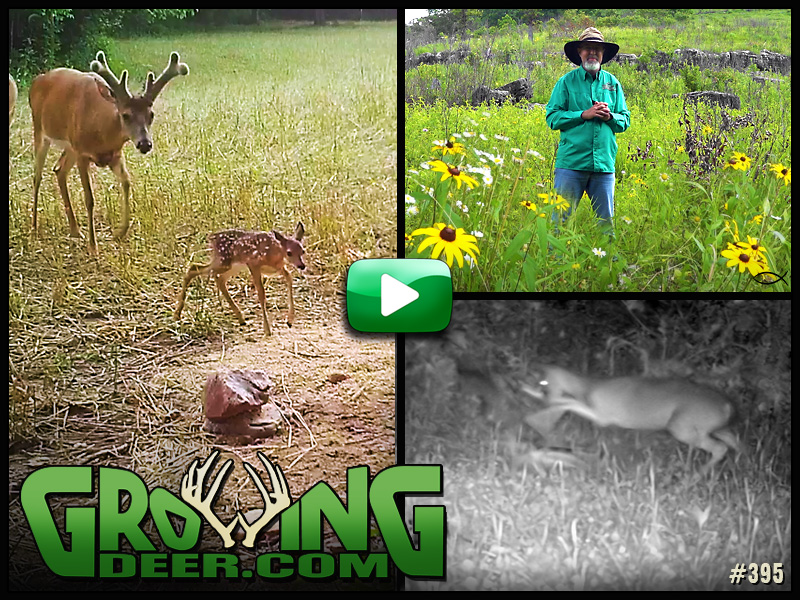
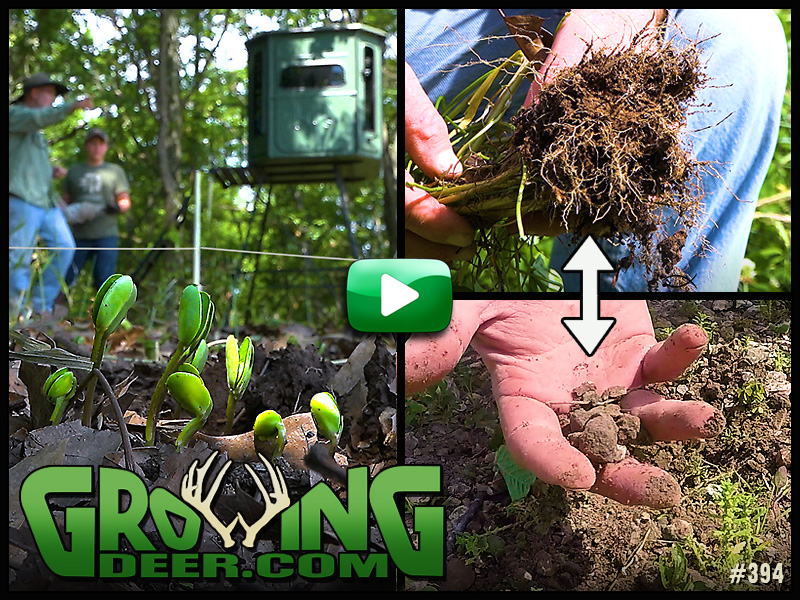
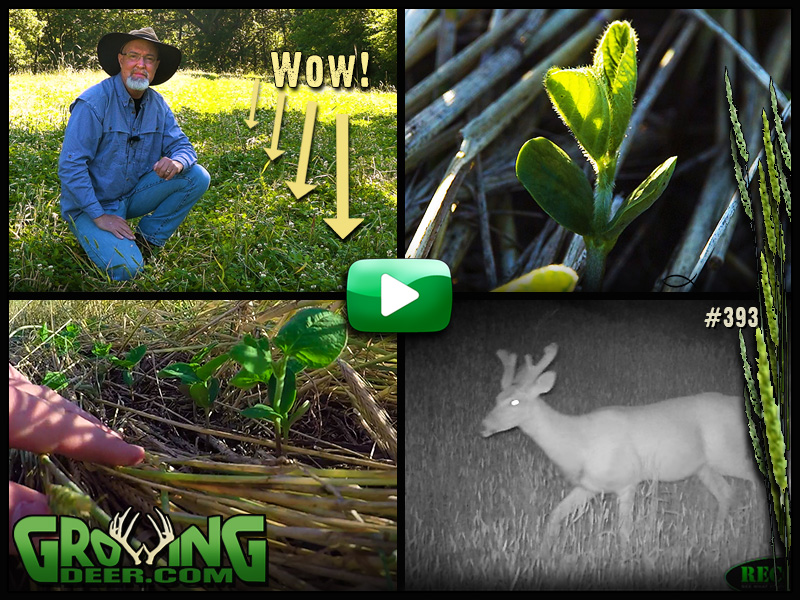
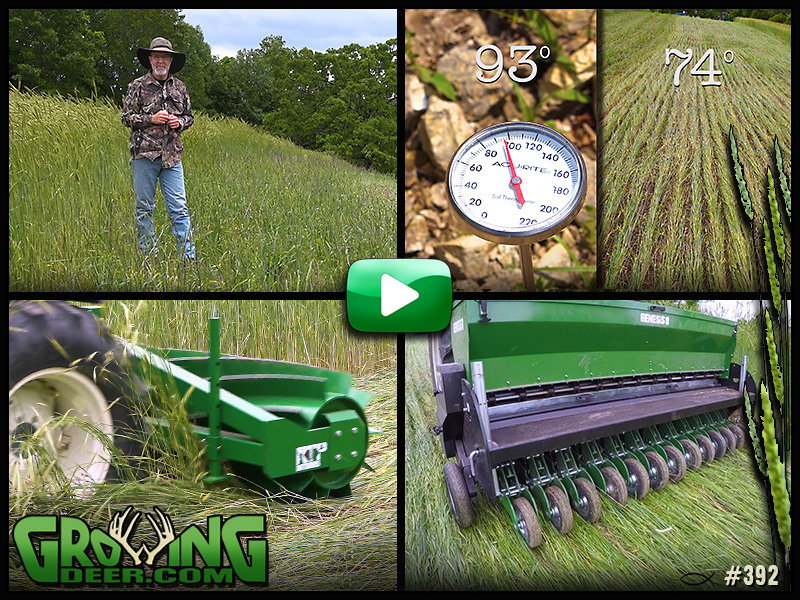
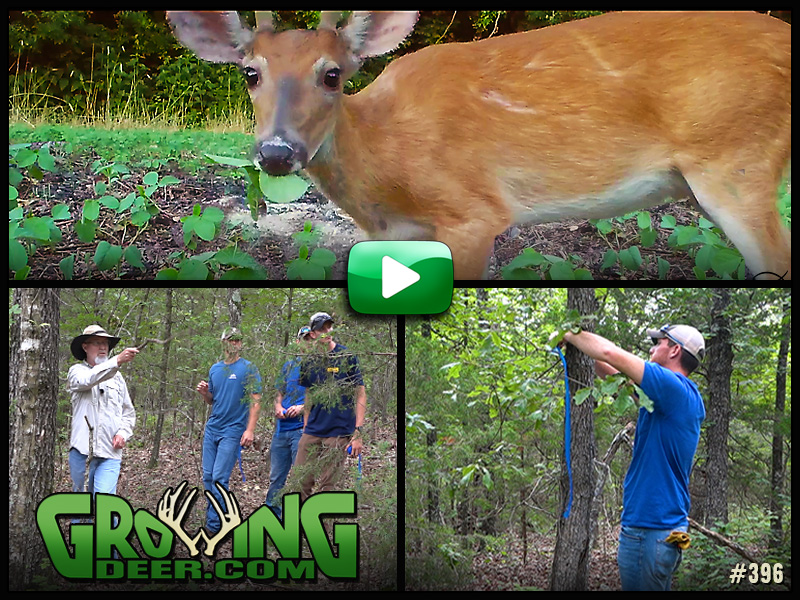
Grant and the interns design a new food plot! Watch to see the thoughts and steps to creating a food plot from scratch. It’s a strategy designed to produce quality food and hunting in rough timber. Plus, we share tips on how to capture great trail camera pictures of fawns, does, and of course, BUCKS!
Quality cover and designated sanctuaries can result in a healthier deer herd and better hunting! Find out why cover is key for managing mature, huntable whitetails!
Third on my list of top recommendations for managing land to yield mature, huntable whitetails is the need for cover. Cover is specifically areas where deer are likely to feel more secure compared to surrounding areas.
In the Southern portion of the U.S. cover may be shade. In colder climates it might be native grass that serves to block the wind but allow the sun’s radiant energy to reach the deer. Cover may be areas where predator populations (such as coyotes) are reduced and the deer are less threatened / stressed.
Quality cover reduces stress levels of deer. This allows them to express more of their antler growth and fawn producing potential. Cover can be just as beneficial to a deer herd as quality nutrition, depending on the sources of stress. However, they are co-dependent. One without the other could lead to the deer herd not expressing its potential.
The best cover is not only a particular type of structure (shade, native grass, etc.), but also an area of reduced predation. Hunters are predators. Those areas set aside for cover should have limited human activity to ensure that deer feel safe from human predation. By making those cover areas a sanctuary (prohibit entry by humans during most of the year) it will maximize the reduction of stress. Sanctuaries combined with desirable cover are very beneficial to deer.
To benefit the deer herd where you hunt, don’t just think about ways to attract them and make the deer easier to see, but think about managing enough of the habitat to ensure each deer has a place they feel safe. This is not a totally unselfish act by hunters. Deer that feel secure are not as alert and are easier to hunt.
Create some sanctuaries! Make that “un-huntable” buck drop some of his defenses, lower his stress, and line him up in your sights next deer season!
Want to maximize your hunting property? This week we share even MORE tips for maximizing food plot acreage, soil moisture, native browse and cover! See how our management practices can help your property express its hunting potential!
Age and quality forage are key for growing larger antlers! Find out how making quality forage available year round can help bucks express their antler potential and create better hunting!
Utilization cages can be a great indicator of deer numbers compared to available food. If crops inside the cage are taller than outside, you may need to increase food plot acreage or harvest more deer this fall.
Last week I shared the importance of allowing bucks to mature so they can express their antler growth potential (read The First Rule Of Deer Management here). By allowing more bucks to mature, there will be more bucks in the area which usually equates to better hunting.
However, there are lots of areas with a relatively high density of mature bucks, but very few bucks with good antler development. Where does this occur? It is often in areas where no habitat management activities occur. For bucks to express their genetic antler development potential, they must:
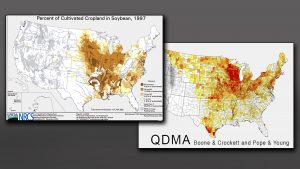
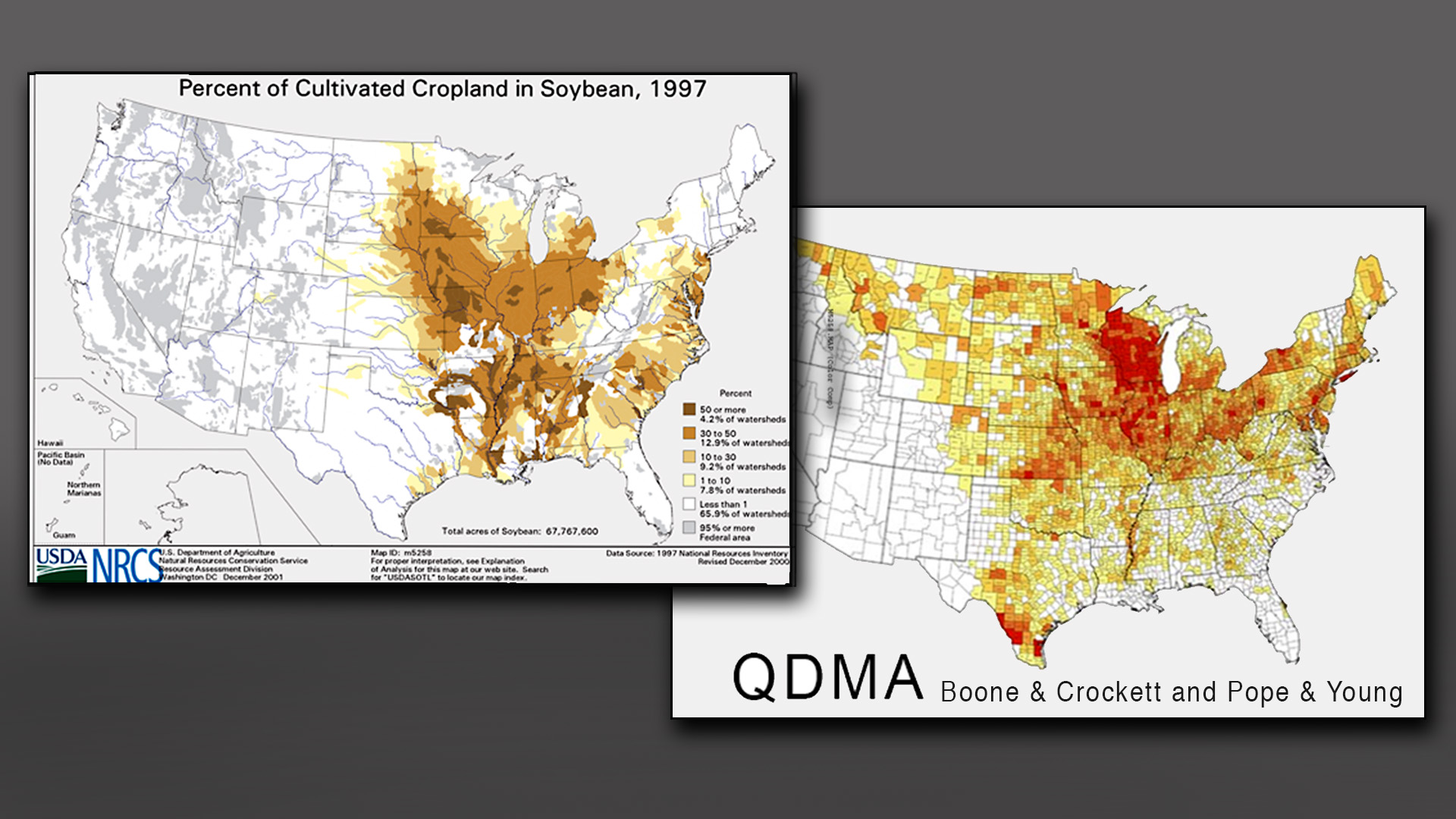
The first shows the distribution of soybeans grown throughout the US and the second shows the distribution of Boone & Crockett and Pope & Young bucks harvested. The correlation is not perfect, but it’s close enough to make the point.
The good news is that soil can be improved anywhere – even if the land you hunt is not shaded on the soybean map. Notice that it’s a long way to any color on the map from where I live (Stone and Taney counties, MO). Even so, I grow great soybeans during the summer and cool season crops during hunting season. This combination has produced some great bucks on my mountainous, rocky property.
Good forage serves two purposes:
allowing deer to express their potential
serving as an attractant so mature bucks can be patterned
Ensuring quality forage is available year round is #2 on my top 10 list of managing land to yield mature, huntable bucks.
Food plots are a multi-functional tool available for deer hunters. Designed and implemented appropriately, they serve to feed, attract and hold deer on a property. In this video we share the why, where and when of food plot design, stand placement and hunting strategies for the plot. Watch now by clicking HERE!
Easy food plots in thinned pine plantations: plant forage soybeans in a row where the pines have been thinned, skip two rows for cover and then plant another row with beans. Then overseed the beans with Eagle Seed Broadside about 45 to 60 days before the average first frost during the fall.
It’s important to consider how to make a property “huntable” or hunter friendly for mature bucks. For a property to be huntable for mature bucks there are several factors that must be considered.
Have realistic expectations. This is the first step to hunting satisfaction. It is important to understand that having huntable, mature bucks doesn’t mean there will be a Boone & Crockett class buck behind every tree. A buck is mature to me when they are four years old or older. This is because most of their skeletal development is complete and they can use most of their excess resources to produce bigger antlers. Few free-ranging bucks express their genetic potential due to limitations in habitat quality.
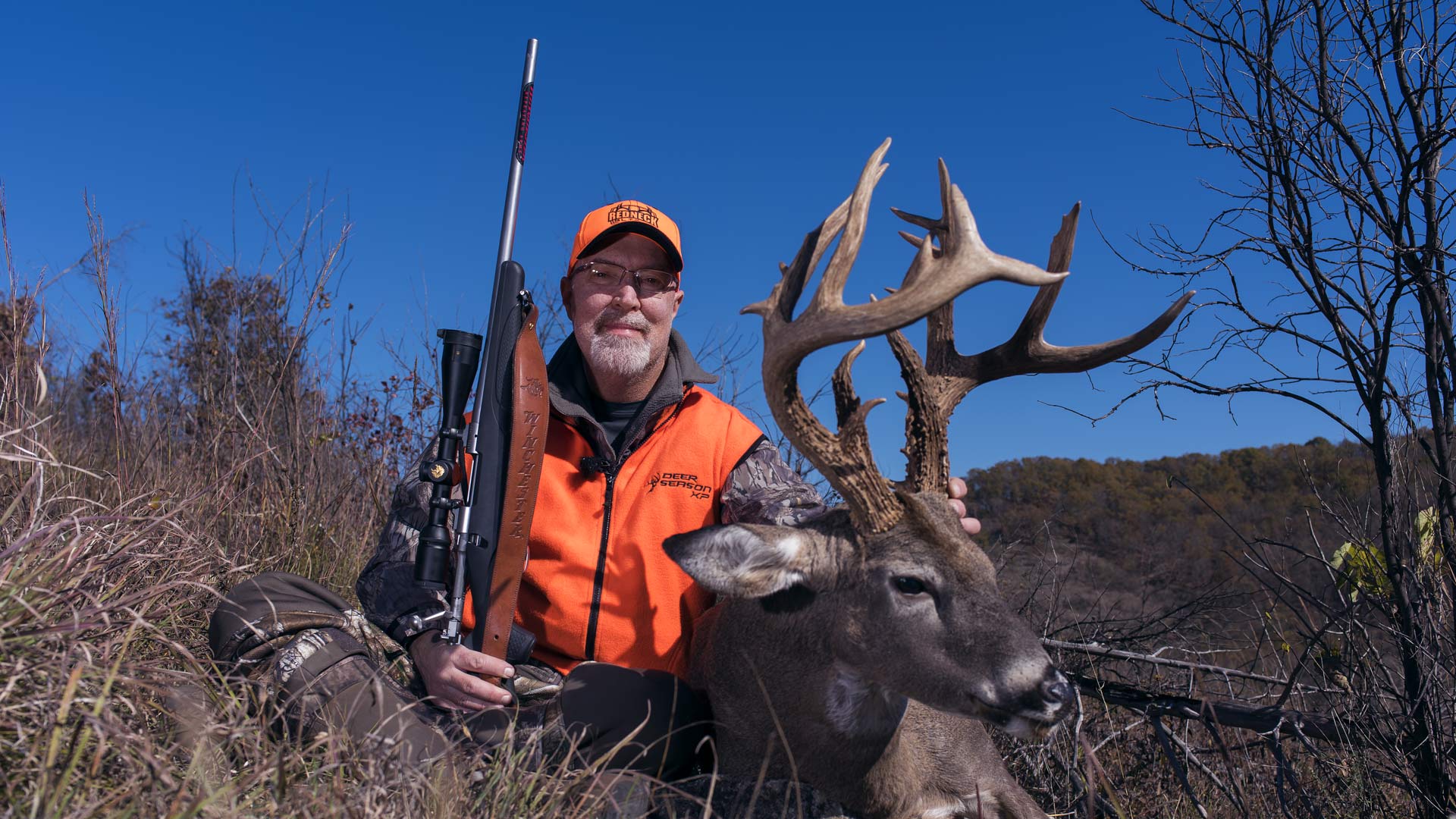
Have more mature bucks. To get more mature bucks, immature bucks must be passed and allowed to grow. Dead deer don’t grow. It sounds simple, but some hunters still don’t understand. They harvest a good looking two year old buck and then complain that they never harvest a “monster buck.” They’ve probably harvested several monster bucks. They just shot them before they matured and produced large antlers!
Bucks typically produce larger antlers as they age. Research shows that two and three year old bucks produce, on average, about 50 and 75% of their antler growth potential. It’s not until bucks mature to four years old or older that they express, on average, about 94% of their antler growth potential. To have an opportunity to harvest mature bucks, you must hunt where bucks are allowed to mature. The more bucks that are allowed to live to 4+ years of age, the easier it will be to harvest a mature buck.
Trigger finger management is the least expensive form of deer management. It simply costs less to pass immature bucks than any other form of management for establishing a hunter friendly population of mature bucks.
If you want to tag a mature buck, be prepared to pass immature bucks. Yes, others in your area may kill immature bucks. But, the trend must start somewhere and it is most likely to start with you. Share the education with other hunters in your area. You don’t have to convince all of them, but you won’t convince any of them when gathered around an immature buck you just harvested.
Remember, the first rule of deer management, “Dead Deer Don’t Grow.”
See how we maximize one of our most valuable resources for deer hunting: food plot acreage! Plus, an update with observations and analysis of the progress of recently planted fields.
If you wish to save quality forage for early deer season or allow beans to mature to hunt over standing grain this winter, the preparation starts now! Click here to read this “step by step” guide on how to get started.
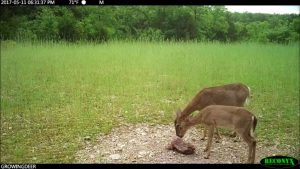
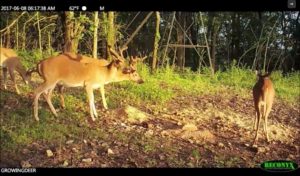
Keep up with the antler development by placing your trail cameras out during summer! Trophy Rocks are a great way to get bucks in front of trail cameras!
Last week we finished planting! The cereal rye was successfully crimped by the Goliath and Eagle Seed beans are already germinating through the terminated rye! During the following months, the Eagle Seed forage soybeans will supply our deer herd with quality forage. Not only do we plant quality forage to promote healthy deer, it is a great way to attract deer and create a great hunting location this deer season!
This plot is within bow range of our Summit stands and will be a great hunting location when deer are eating standing grains!
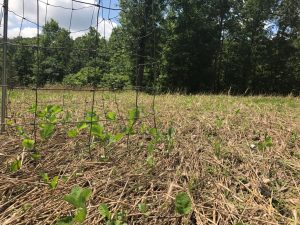
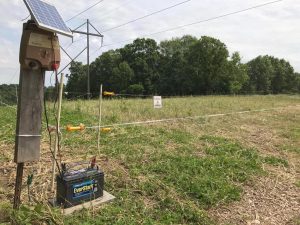
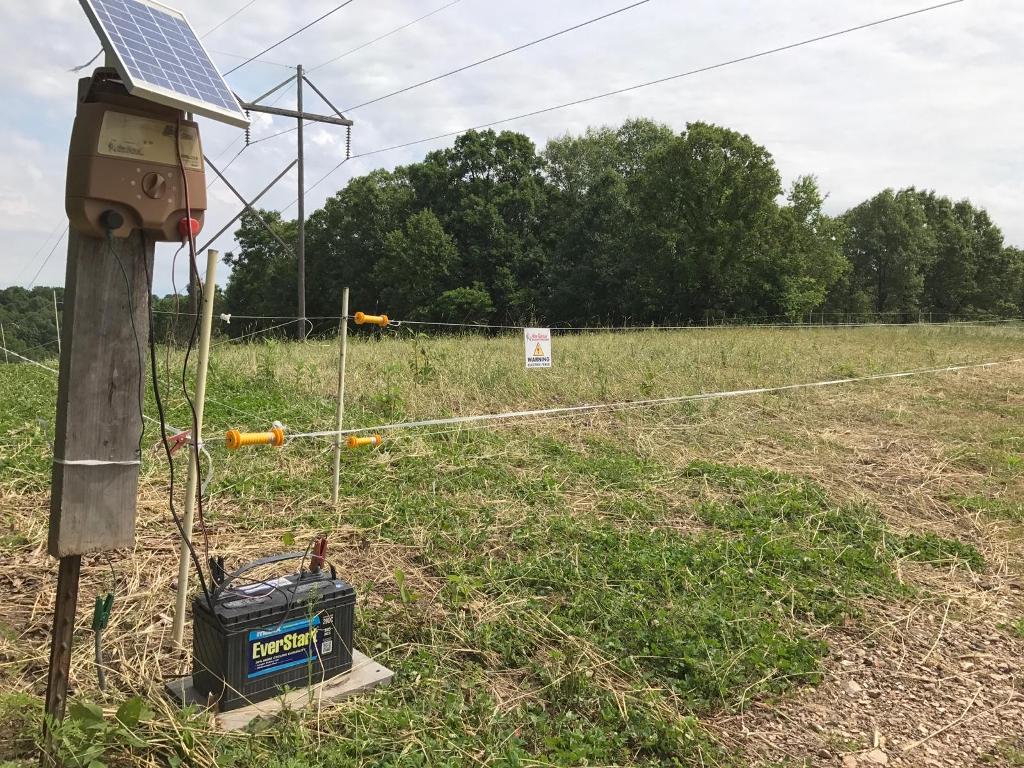
Every year we protect a portion of our Eagle Seed beans during the summer months with a Non-Typical Hot Zone Fence in select locations. This ensures that even though deer may browse outside of the fence, they do not consume all the forage in the area. When season rolls around, we can simply open the fence and have a great food source to hunt over!
Here are the steps to take when setting up your Hot Zone fence:
1. Create the fence with your hunting strategy in mind. Think of where your stand or blind will be located in relation to the fence/food source. Consider which wind to hunt and how to enter and exit without alerting deer.
2. Build the fence as soon as beans begin to germinate. You do not want deer to associate the beans inside the fence as a food source. This will decrease the chances that deer will try to jump the fence to feed inside.
3. Make sure it is set up correctly. The Hot Zone electric fence works because it is designed as a two fence (3 strand) barrier. The outside fence has a thick, tape-like polyline that should be strung 18 inches from the ground. Three feet inside the outer fence there should be another fence that has two stands of polyline. The lower wire should be 10 inches from the ground and the top wire 24 inches from the ground.
4. Keep the electric fence turned on ALL summer. If the fence is not on during a portion of the summer, deer will learn that they can jump it with out consequences and will do so even when it is turned on.
5. Open the fence when the conditions are right for hunting! If you open the fence when it is hot and deer are feeding during the night, they can easily lick the field clean during several nights (depending on the size of the field). Or if there is not a suitable wind forecasted for hunting, deer can browse it quickly before you are able to effectively hunt.
If you’re a small food plotter and wish to save quality forage for early deer season or wish to allow beans to mature so that you can hunt over standing grain this winter, the preparation starts now! Stay tuned this summer as we share updates about our food plots and hunting strategies as we prepare for fall!
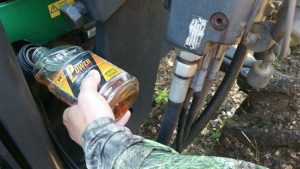
Don’t forget to take care of your tractor during planting season. Howes Power Kleaner helps lubricate injectors and pumps and improves engine performance.
Sadly, Missouri’s turkey season recently ended. However, we feel much better knowing antlers are growing and fawns are dropping! Before long, it will be deer season. With deer season in sight, it’s important that all of our Trophy Rock stations are refreshed and ready for the upcoming growing season.
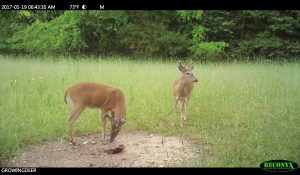
We keep many of our Trophy Rock sites out all year. Why? Because deer need minerals all year. We want does to be healthy in the winter when fawns are only a few weeks into development. We want to help bucks make it through the rut and the harsh winter conditions. However, deer tend to require larger amounts of mineral during the antler development, fawning and milk producing season (late spring and summer). During this time, it is especially important that all our Trophy Rock stations are full and there is plenty of mineral available to deer.
We prefer Trophy Rock because it has 60+ natural micro and macro nutrients! Deer may only need very small amounts of some of these minerals. However, if these trace minerals are not available to deer, it can keep bucks, does, and fawns from reaching their potential. If you want your deer herd to be healthy and reach their maximum potential this growing season, Trophy Rock is a great start!
I hope you are able to get Trophy Rock out on your property and begin monitoring the results with trail cameras. It won’t be long before it’s time to pattern deer and create the 2017 hit list.



 Short Clip: