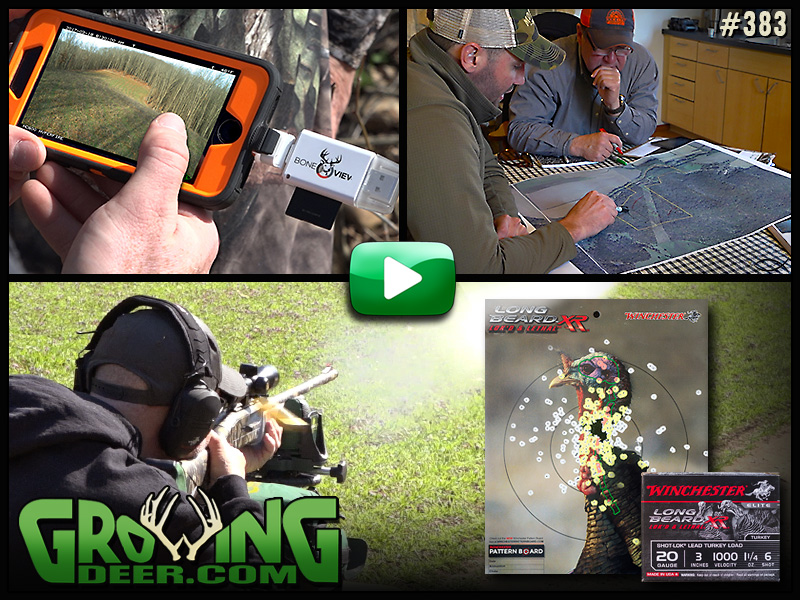
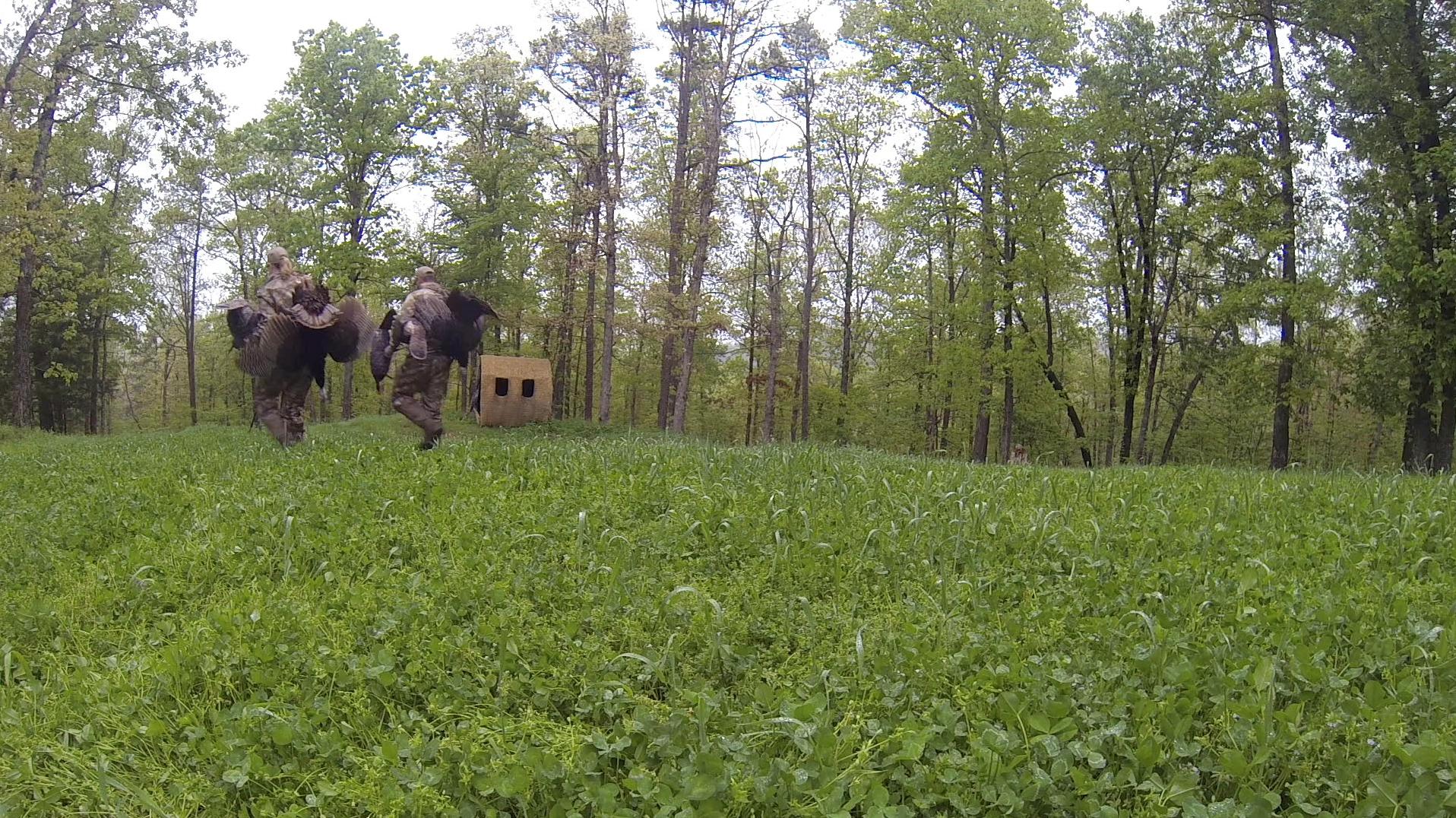
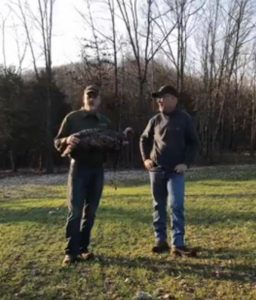
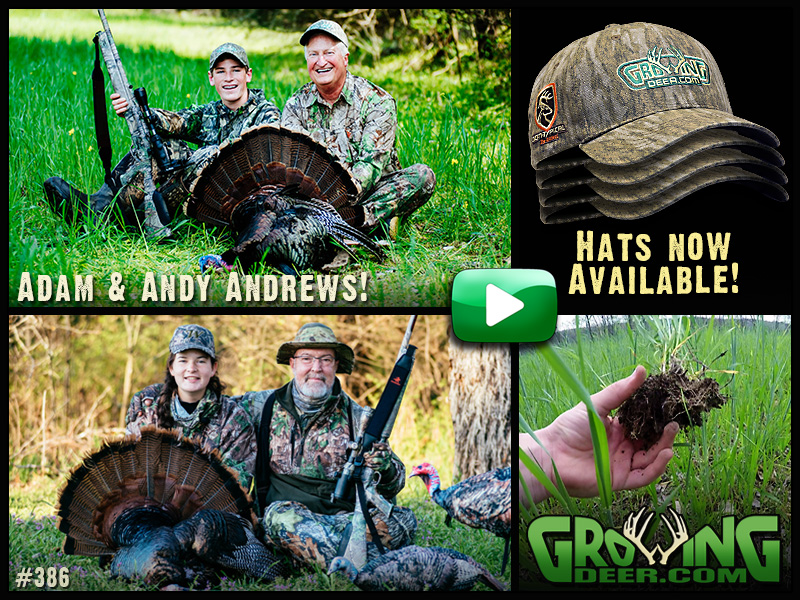
Watch Rae Woods tag a great gobbler only a few minutes after sunrise! Adam Andrews also punches his tag at The Proving Grounds during opening day of Missouri’s youth season!
A lot of images come to mind when I think about internships. Initially, my mind brings up the negative ones. I think of working hard at a job I have little experience in, for little or no pay, all while living off of sandwiches and mac & cheese.
However, that’s a totally superficial view of what an internship really is! Most people my age know the struggle of applying for an “entry level” job that requires 2+ years of experience or they’ve always heard that a college degree will help you get a job when in reality – it’s not that simple. An internship gives you the advantage of having job experience, contacts, and references in your chosen field. I’ve gained all of those in my short time at GrowingDeer and I’m thankful to have been here.
For more information on internships check out the “internships” link on the bottom right side of our website.
While an internship may not sound appealing at first, it has long term effects in a job search. Regardless of what you’re called to do in life, it will benefit you to live humbly and build up your experience as you pursue a career. Remember what Jesus said in Matthew 6:26, “Look at the birds of the air: they neither sow nor reap, and yet your heavenly Father feeds them. Are you not of more value than they?” God has provided me with a way to eat and pay my bills as I work and He can do the same for you.
My time at GrowingDeer has given me experiences that will help me be a better wildlife biologist. This internship has truly been a blessing! I encourage all high-school and college students to try an internship.
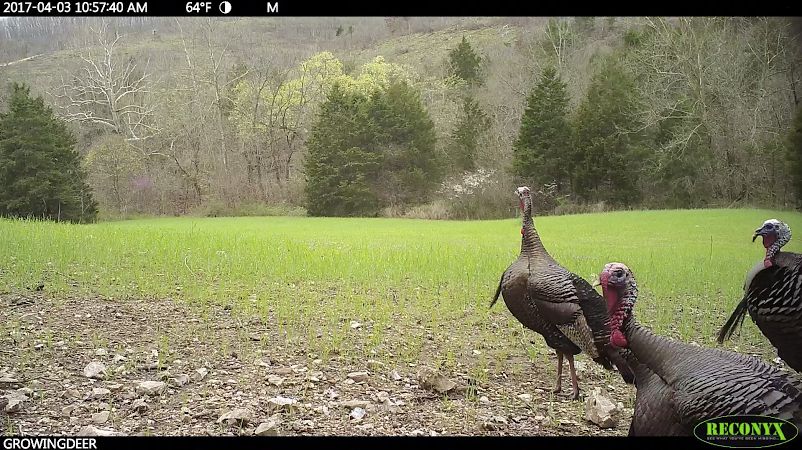
We receive lots of questions about how we get quality pictures of turkeys.
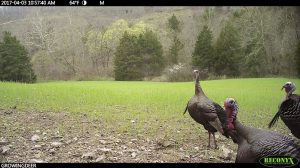
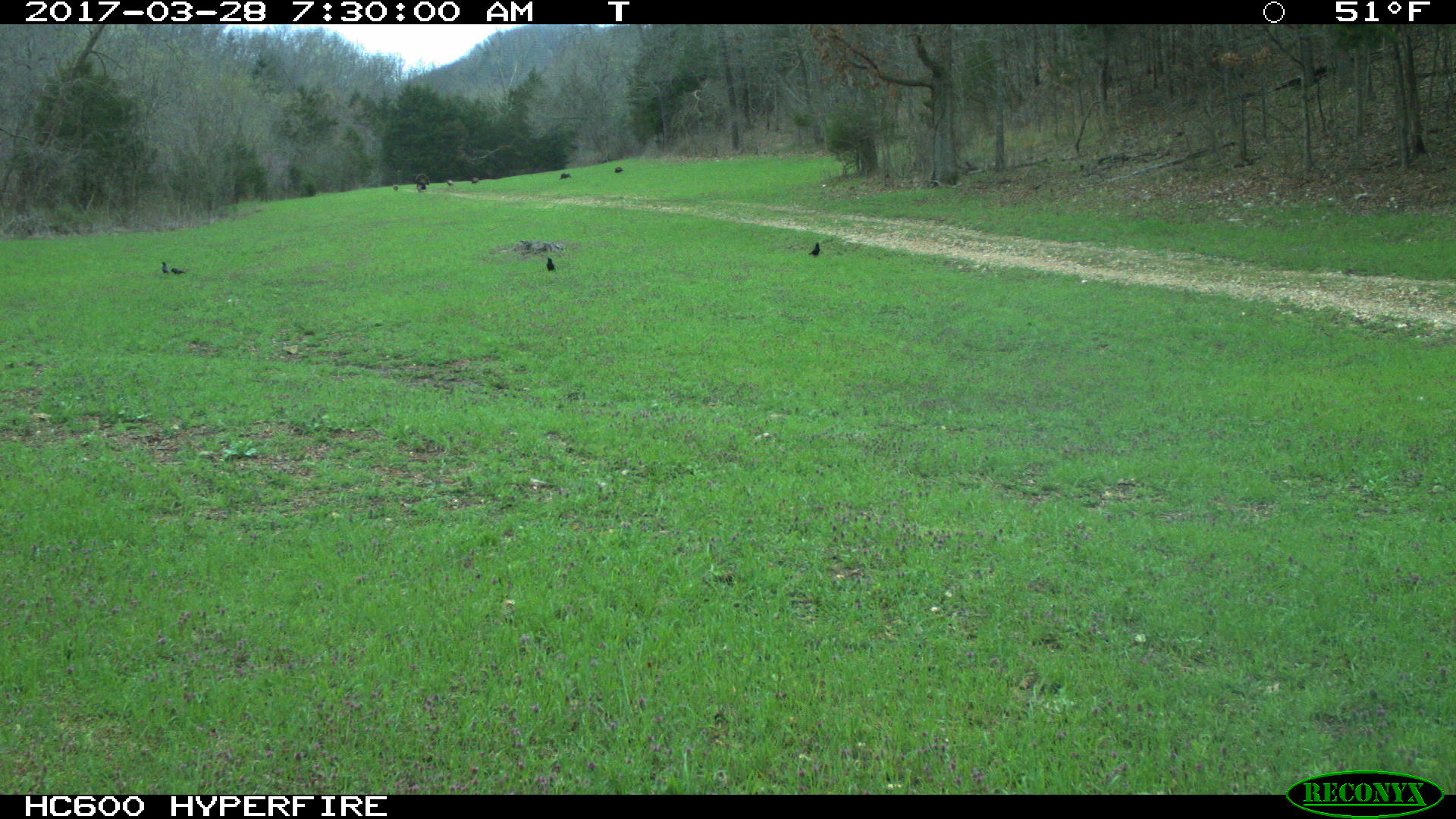
We scout and look for turkeys or turkey sign. Once we determine an area turkeys are using we place a Reconyx camera in that area and attempt to have it facing north. The sun is never in the north (in the USA) so the camera is never pointed into the sun. Images from cameras pointed into the sun are often so blurry they are low quality.
An additional step we take is to place the camera low on the tree – about the height of a turkey. Turkeys seem to look best when viewed from their level.
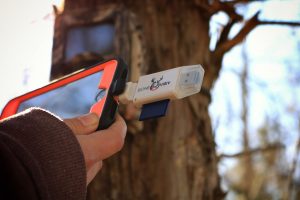
Trail cameras can be a great tool for scouting for turkeys. For M.R.I. (most recent information) I keep a BoneView in my turkey vest. BoneView is a card reader designed specifically for smart phones. When I walk by a trail camera while turkey hunting I simply pull the card and view the pictures on my phone.
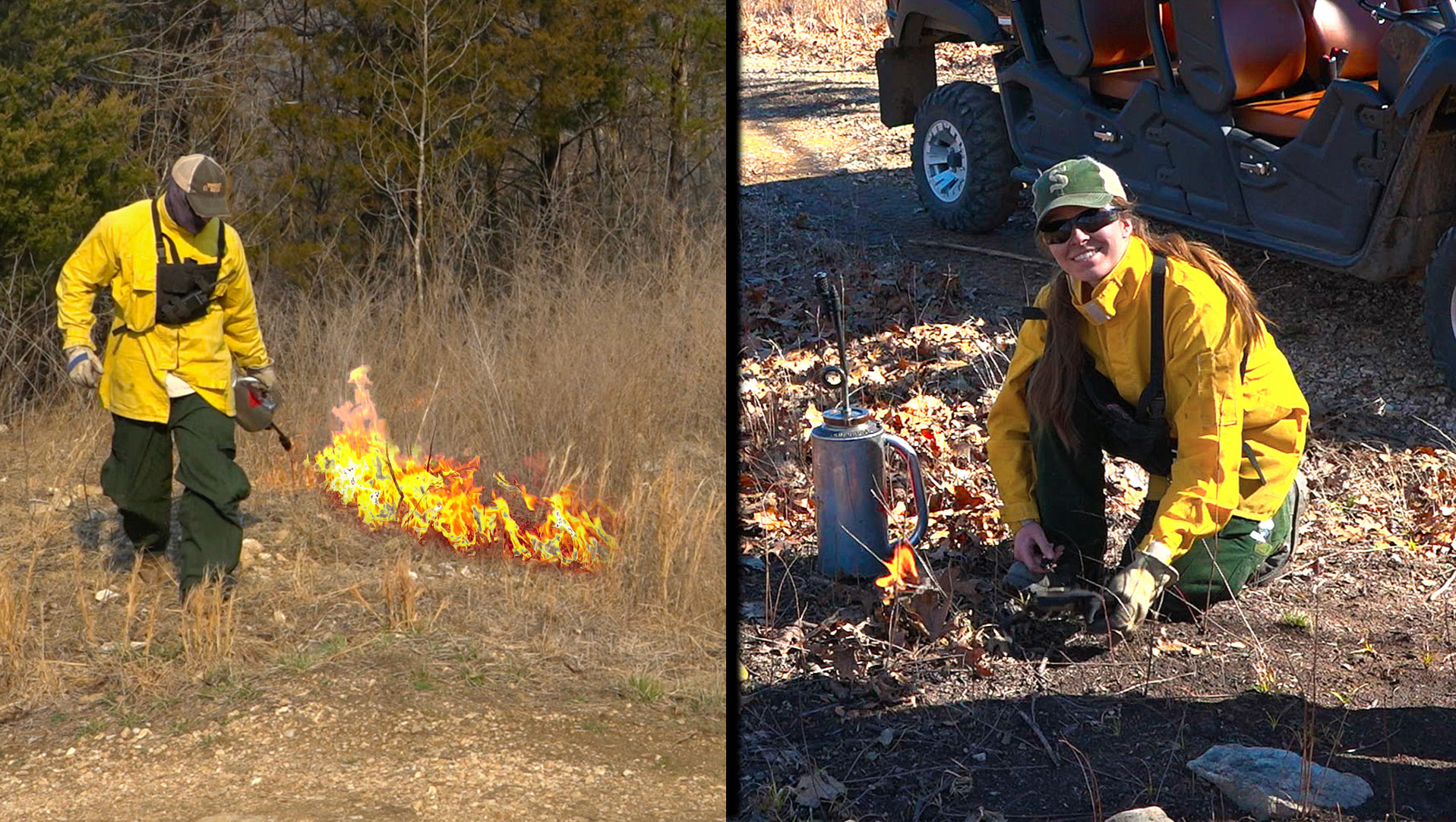
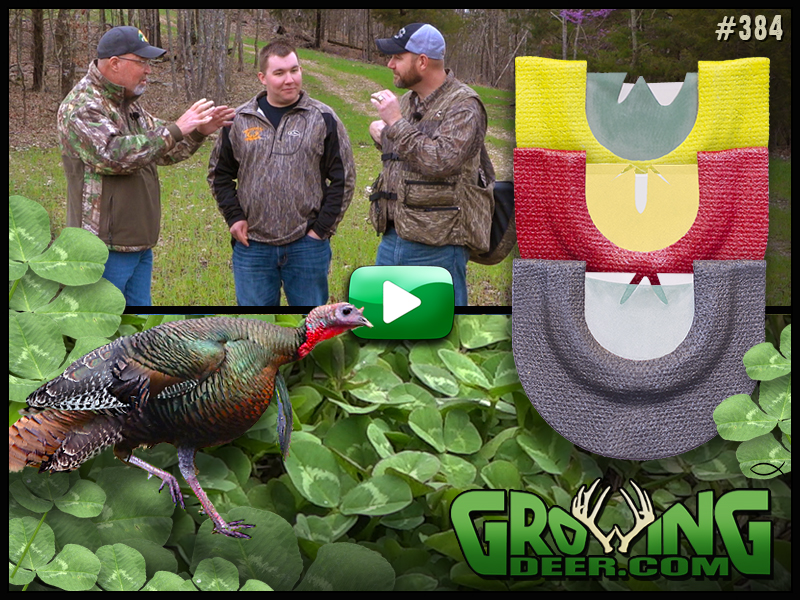
Watch world champion callers, James and Cody Harrison teach us how to use a diaphragm turkey call! They make running a mouth call easy and it gets a tom fired up! Plus, an update from the field as we visit a recent burn unit and clover plot.
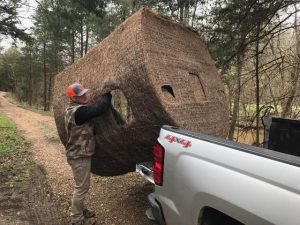
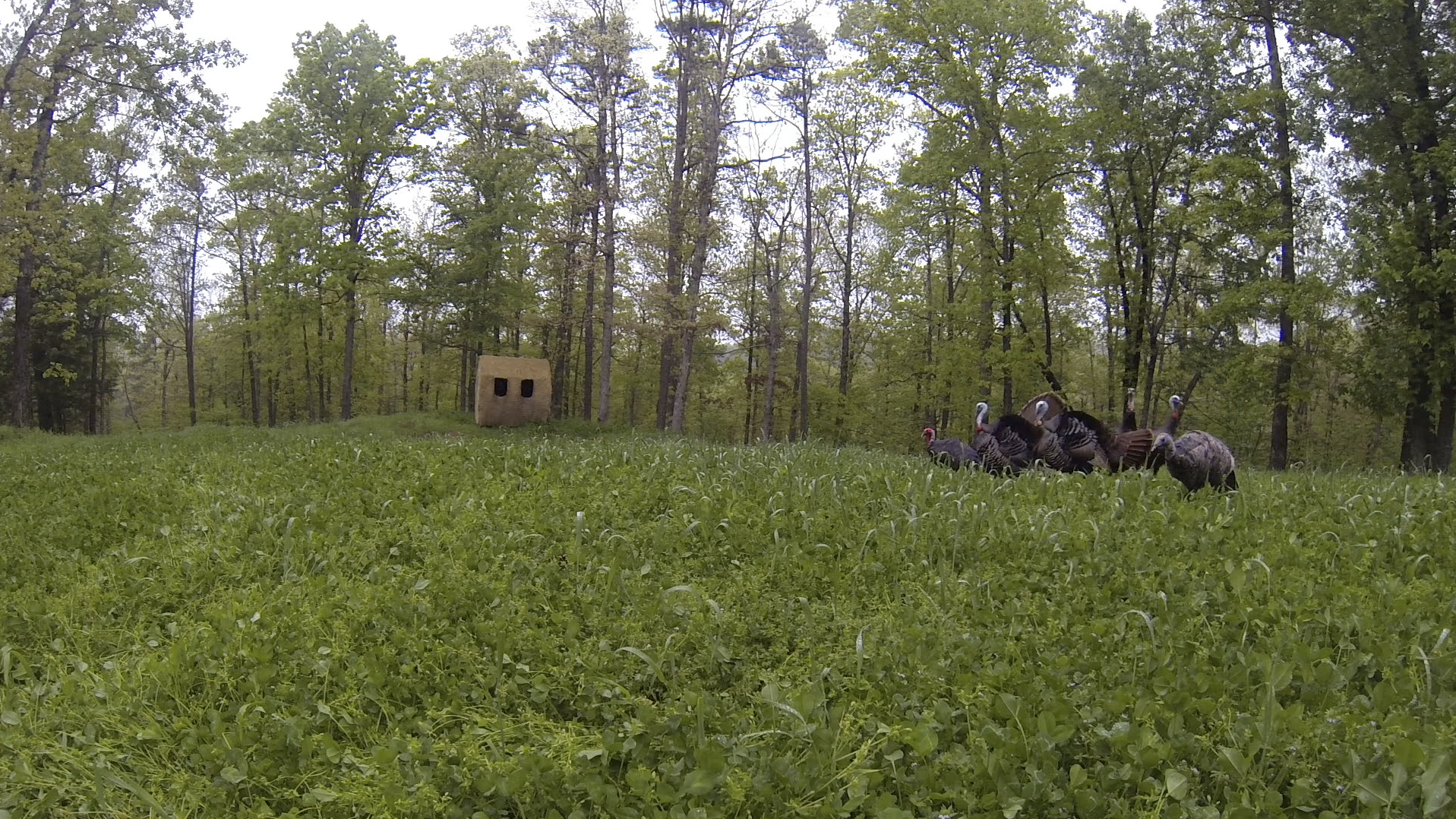
Blinds can be a great way to hunt with kids and older adults! We are moving our Redneck Hay Bale Blinds to turkey hot spots in preparation for youth season!
March is almost over, and for most of us, it’s time to start scouting for those early season gobblers. We’re all getting excited for turkey season here at The Proving Grounds. One of the ways we’re prepping for it involves the same tools we use to scout deer in the fall.
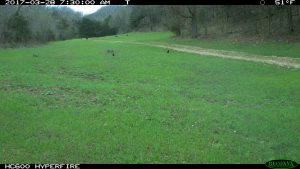
We’ve moved many of our Reconyx game cameras to spots where they can capture time-lapse pictures of an entire food plot. By doing this, we should be able to see where turkeys are spending their mornings after leaving the roost. Hens tend to seek out openings during the morning while it’s still cool, and where the hens are, toms will follow. Even though their roosts will change over the next month, most of the turkeys will revisit the areas where they have been eating and mating throughout the season.
Setting the camera on time lapse mode and placing it high enough to capture the entire field is a great way to monitor large fields for turkey movements!
Scouting turkeys is an important pre-season strategy, and it can lead to exciting turkey hunts. Find that early morning spot where turkeys are flying down to, and enjoy creation as you hunt the early season.
Watch Grant break in the new Winchester 20 gauge! The Long Beard XR holds a killer pattern! The only thing left to do is find toms to chase opening morning!
Turkey season is upon us! One thing more turkey hunters are doing is filming their own turkey hunts. It seems there are two types of filmed turkey hunts. Amazing films that capture everything turkey hunting is about and films that show a gobble or two, some blurry footage of a turkey, and a loud boom. Dr. Grant Woods of GrowingDeer films countless turkey hunts every year. Woods loves turkey hunting and he enjoys capturing the hunt on film. Below are a few of his tips to ensure you end up with a film all your friends will want to watch.
KEEPING CAMERA GEAR CONCEALED
Most turkey hunters run and gun at some point during their season. Unlike deer hunting where most hunters are stationary and can take their time setting up their camera, turkey hunting requires hunters to be on the move which often makes filming more difficult. “Often turkey hunters are forced to set up in a hurry so little details like making sure the camera is completely concealed gets missed. A turkey will spook the moment they see a big black camera or a bright shiny camera lens. We try to hide the cameraman near a big tree or bush. Then we cover the camera with a cloth so the birds can’t see the camera or the lens. Carrying all this around when we are hunting can be difficult, but it is worth the effort because we spook fewer birds and get better footage,” Woods explained.
A DECOY IS A MUST HAVE TOOL
Turkey hunters often debate whether they should use decoys when turkey hunting because decoys can sometimes spook birds. According to Woods, decoys are often required when filming a hunt. “A decoy takes the birds’ attention off where the calling is coming from and then they focus on the decoy. We put the decoy about twenty yards from our set up and even closer if we are bow hunting. With a decoy close, we can get good footage of a tom when he comes into the decoy,” Woods added.
HUNTING FROM A BLIND
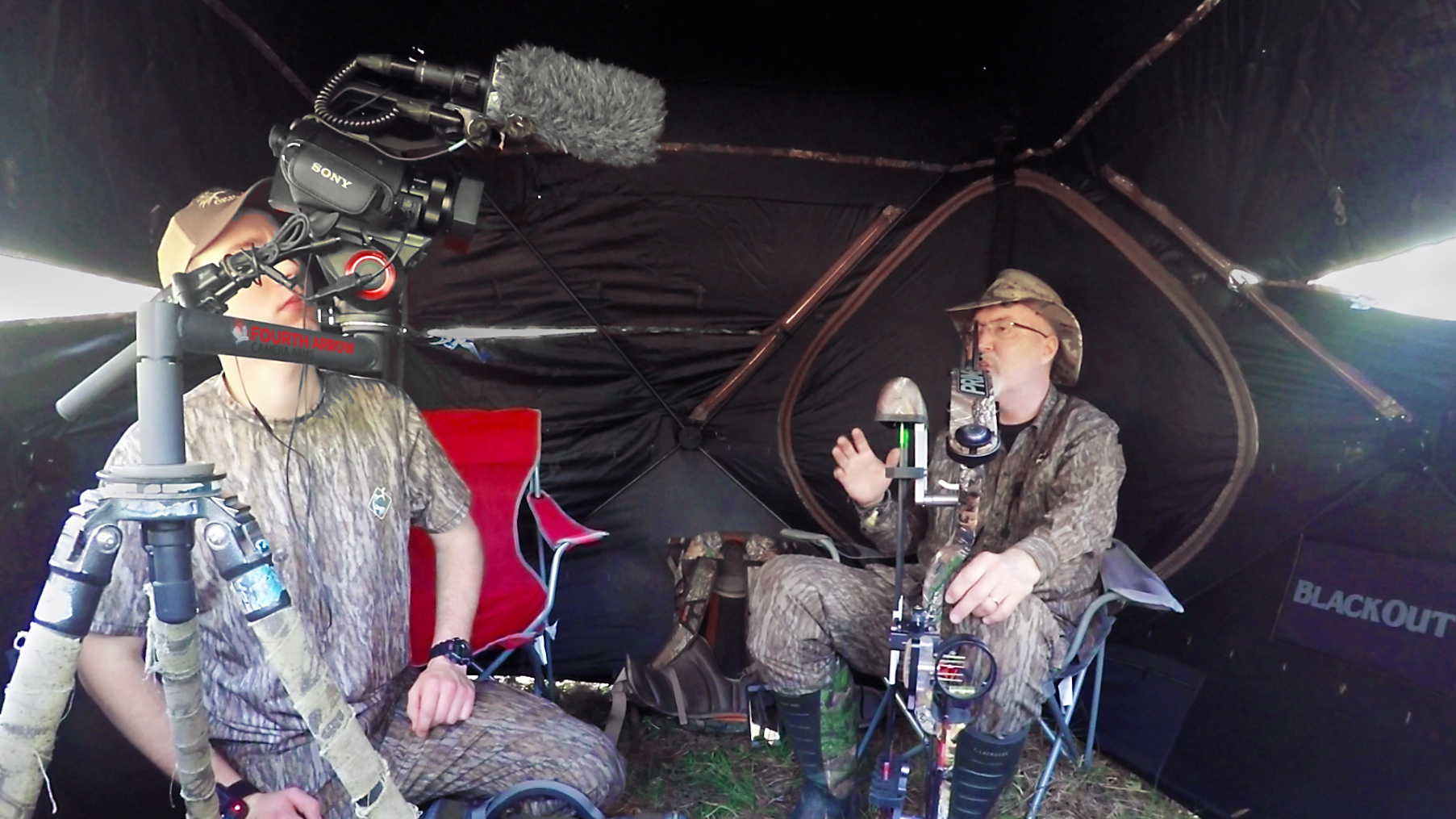
When Woods and his team notice a tom and his ladies are regularly hanging out in a food plot or field, they often set up a Redneck Blind near the field edge. “The wonderful thing about hunting out of a blind is it conceals your movement and the turkeys don’t seem to get spooked by a blind. They don’t pay attention to them. In addition, all the filming from a blind is much easier than running and gunning. Every turkey hunter should have a blind, especially if a person is going to bow hunt. A blind conceals the cameraman and the hunter when they draw their bow,” Woods noted.
THE REX ARM
One item that has changed the way Woods and his team films turkey hunts is the Rex Arm from Fourth Arrow Camera Arms. This camera arm can be used with almost any tripod and it allows the hunter to move the arm with the camera attached without moving the tripod when filming. “Turkeys often come strutting in and moving around. In order to keep them in the viewfinder, we have to move the tripod. The Rex arm is an efficient system, allowing the hunter to utilize 360 degree movement within a 10-inch radius of the tripod. Now we can easily move the camera and keep up with the gobbler without having to jerk the tripod around. It minimizes movement and increases the quality of our footage,” Woods added.
Filming a turkey hunt is fun and exciting. Hopefully the tips above will help you produce a better film this spring that you will be able to enjoy for years to come.
Watch the GrowingDeer Team frost seed clover and prepare a great food source for not only deer but turkey too! These clover plots will soon be great strutting areas for toms and purr-fect hunting locations. Find out how we plan to hunt these plots and others with our Montana Decoys!
Tyler Gentry shares how multiple years of trail camera pictures helped him tag a buck last fall. Find out how you can use trail cameras to punch a tag!
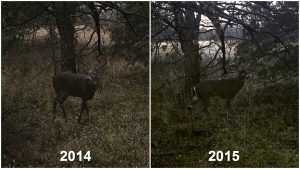
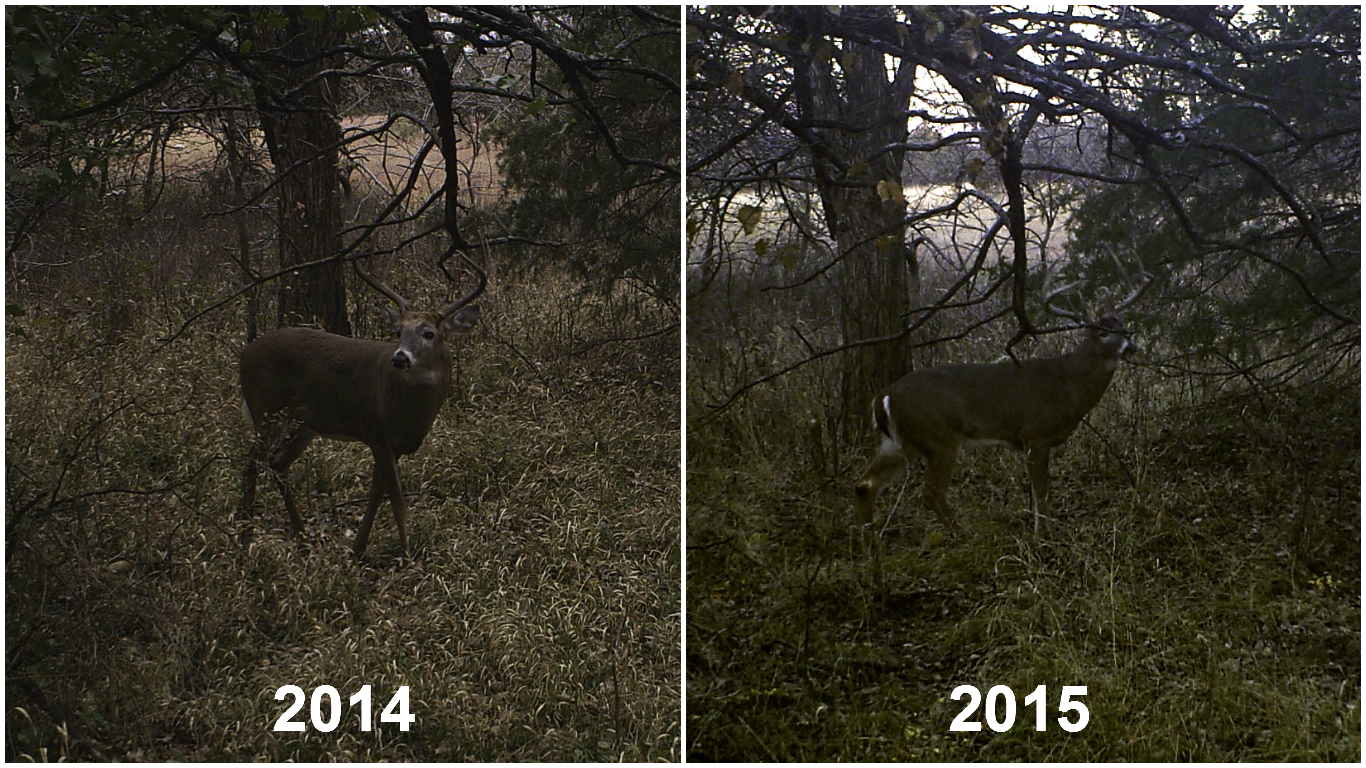
Trail cameras have become a pivotal tool for whitetail hunters. They are beneficial in so many ways and allow us to scout every hour of every day for the entire year. Sometimes bucks show up on trail camera during certain time periods only to disappear days later. I thought this was the case for a particular buck I got a few pictures of during January of 2014.
This buck showed up on the fringes of the property I hunt and he appeared to be a solid three-year-old 8 point with potential. I soon forgot about the deer as the seasons changed, then fall rolled around and he was back. He carried a wide, thin rack and was a regular on the property but I had my sights set on another older buck. All my efforts that deer season and the next were focused on harvesting other deer so he flew under my radar. During the winter of 2015, two years after my first pictures of the wide 8 point, I browsed through all my trail camera images of mature bucks and realized this buck had blossomed into a very nice deer. I placed him at the top of my 2016 hit list.
As the fall of 2016 progressed, I did not have a single image of this buck. He usually showed up around the first of October; I had some worries but I remained hopeful he was still alive. My worries soon vanished during my first hunt of the year. On the morning of October 30th we crossed paths and I was able to write the final chapter on the story of the wide 8 point. By using trail camera data from previous seasons, I was able to determine when and where this buck made appearances which helped me pick strategical blind and stand locations.
The use of cameras can be a fun way of determining what animals are on your property, however, they can also be utilized in more advanced ways. I have found that the biggest advantage is the ability to predict movement of mature bucks based on movements from previous seasons (watch the hunt for Handy here to see this tactic in action). When next deer season comes around, open up last year’s images and study them in depth. Look at dates, times, temperature, wind direction, barometric pressure, and a host of other factors that may give you an upper hand on tagging your next mature buck!


 Short Clip: