Turkey season is still open in some northern states. I really like hunting turkeys during the late season! Typically a majority of hens have started nesting by this time of year and stopped responding to gobblers. Gobblers that were almost impossible to call for weeks because hens were going to them daily are now very….Read MORE HERE
Deer love soybeans! They are attracted to them from when they come out of the ground to the last pods available during late winter! Unfortunately, deer can damage and even kill soybeans if they browse them too much when they first start to grow.
Knowing this I often plant soybeans at twice the normal rate in small plots. This allows deer to feed but there are simply too many young soybean plants for all of them to be damaged.
Planting at a higher density doesn’t hurt the beans as the young plants are not competing for water and nutrients like more mature plants. By the time the soybeans mature deer have usually thinned the plant population enough that the remaining stems can mature without too much competition.
If you are planting small plots with soybeans, trying increasing the planting rate if deer are wiping out the crop before hunting season.
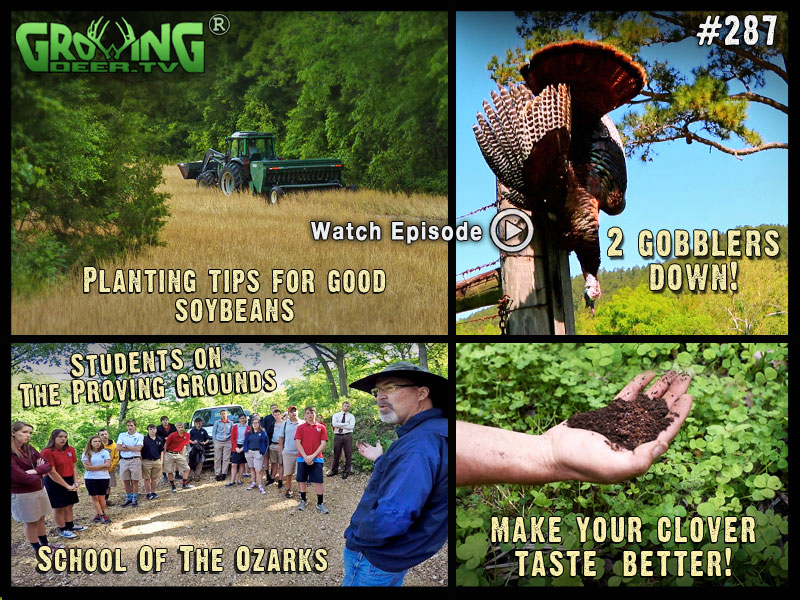
It’s growing season at The Proving Grounds! We’ve got tips to make your small clover plot a killer spot. Next, we have ideas for getting the most out of your soybean plots.
Want some hunting action? Heath and Lindsey share 2 gobbler kills in 2 states. Look out! School of the Ozarks students have descended on The Proving Grounds. Watch Grant as he challenges these freshman to think!
Tip of the Week:
Clover is great for very small plots.
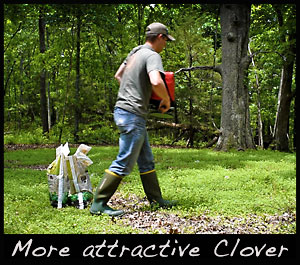
Fertilize to make it last and taste better.
We add Antler Dirt to feed our clover and make it a place deer want to be!
By now many of you have tagged a tom! You may have already enjoyed a meal of fresh turkey! However, there’s more to a turkey than great meat. Turkey feathers are cool. Many Native American tribes prized turkey feathers for use in ceremonies and fletching for arrows. My daughters enjoy making jewelry and other items…Read MORE HERE
Now that turkey season has wrapped up here in Missouri, it’s time to get back to management projects! As we work to improve the habitat, the next generation of critters is being born and trying to survive and for some it can be very difficult.
We’ve had a very interesting spring so far. April came in dry, went out with a couple rainstorms, then May came in dumping rain. We’ve had a lot of rain, with even more rain coming this weekend. For turkey nests and poults this is troubling. There has been a lot of research studying the connection between hatch success rates with precipitation amounts. The higher amounts of rain we receive in May, the lower hatch rate and ultimately a lower population of turkeys.
The “wet hen theory” suggests that hen turkeys with wet feathers sitting on their nest release a higher amount of scent than a hen with dry feathers. Releasing more scent makes them more susceptible to predators, and even if they survive the predator encounter, there is a good chance the eggs won’t survive.
While planting my Eagle Seed soybeans, I’m happy to see the coming rainfalls, but as a turkey hunter I get a little uneasy knowing the potential harm for the turkeys.
Erosion control means better soil. Better soil means larger deer. Grant’s got easy tips for saving and building valuable top soil!
Here we go! Chase and Seth are running and gunning. With heavy rains about to hit, they’re set up on a hot gobbler, but this bird better hurry or our boys will be wet and out of luck! Then Seth goes solo hunting, where he sets up decoys in the perfect spot. Wow! It’s a full strut hammering.
Tip of the Week:
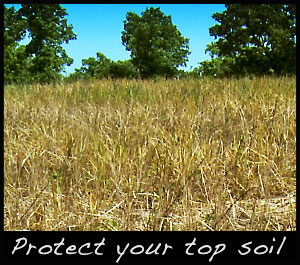
Want better deer?
Keep your valuable top soil.
Avoid erosion by always having
a crop in the field and not disturbing the soil!
Hearing gobbling is a big reason why I enjoy turkey hunting! However, some mornings it seems most toms are silent. There are usually two reasons toms are quiet. Toms don’t gobble as much when it’s cloudy and higher than normal humidity. There’s nothing a hunter can do to change these conditions. Gobblers are also usually….Read MORE HERE
Antlers are growing and the GrowingDeer Team is excited! As Missouri’s turkey season closes, checking our Reconyx cameras keeps a smile on our faces.
Many bucks have started growing antlers and it is thrilling to see who made it through the winter. It is another enjoyable season. Young bucks will be expressing their potential, making our mouths water, hoping they make it to maturity. New bucks (3.5 years old last year) will be added to the “hit list”. The mature bucks we have hunted year after year will again be fun to watch and pattern, but don’t expect the same antlers as last year.
Antlers can change year to year. It is always exciting to see what a new year will bring. Will a mature buck’s antlers begin to decline with age? Will a young buck’s antlers explode, expressing great potential? As you watch antlers develop this summer, enjoy the time getting to know each individual deer. You will begin to learn their habits, tendencies, and preferences. Each antler is unique, as is each deer.
One deer the GrowingDeer Team looks forward to watching is Two Face. Two Face is at least 10 years old and the relationship we have built over time is incredible. Each encounter, whether hunting (watch episode #269 here) or seeing a new picture, is a special moment.
So, grab your Reconyx cameras and a Trophy Rock! You will not want to miss the next few months. Antlers are growing bigger every day. Will you be watching?
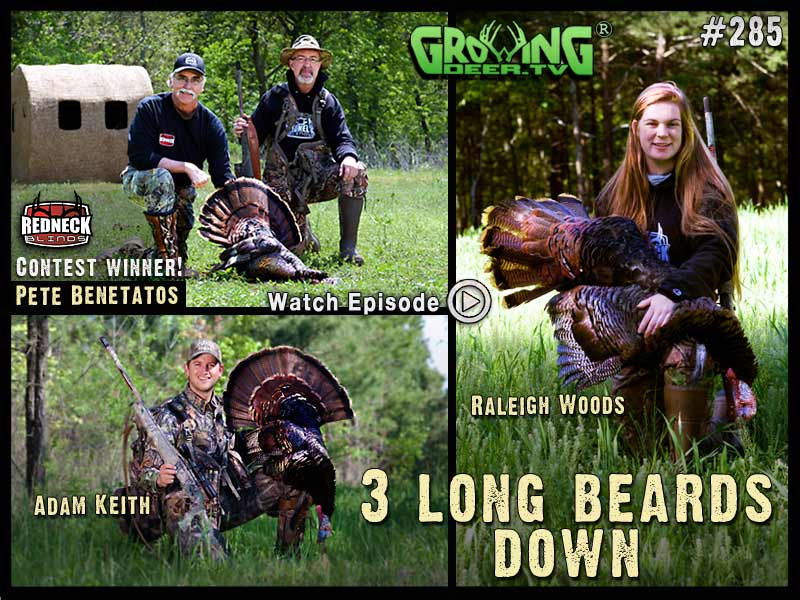
This week Grant and Adam take the Redneck Blind sweepstakes winner turkey hunting. They get in a pile of turkeys! Then Adam and Seth team up and call in a big ‘ol gobbler. Not to be outdone, it’s Raleigh Woods turn behind the Winchester. It’s a father daughter turkey hunt. Watch Grant and Raleigh scramble to kill a big tom. It’s fast action as Raleigh locks on and pulls that trigger!
Tip of the Week:
Need to locate ’em?
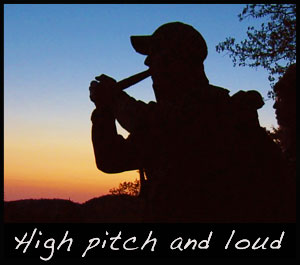
Try high pitched and loud.
Owl hoots & coyote calls work great.
Watch this video. You’ve probably already seen it many times in your mind. Notice the time stamp on the video. It’s just after sunrise and this gobbler has already paired with a hen. This is very common for this time of year in the Midwest. When a tom is with a hen there are a…Read MORE HERE



 Tip of the Week: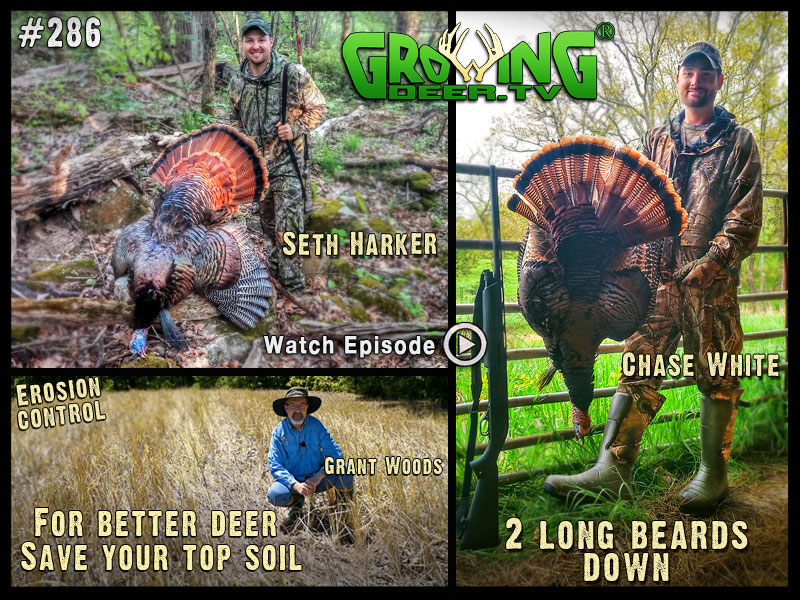
 Tip of the Week: